Human orientation
Created as a companion, very fond of company.
THE PAW CATALOG
Origin: Tibet; patronage of Great Britain
In Chinese, the breed was called Shih Tzu Gou - "lion dog". In the Ming Dynasty and the Manchu Dynasty, it was bred by palace eunuchs, and dogs were considered the property of the court. Over time, the breed became a favorite companion around the world.
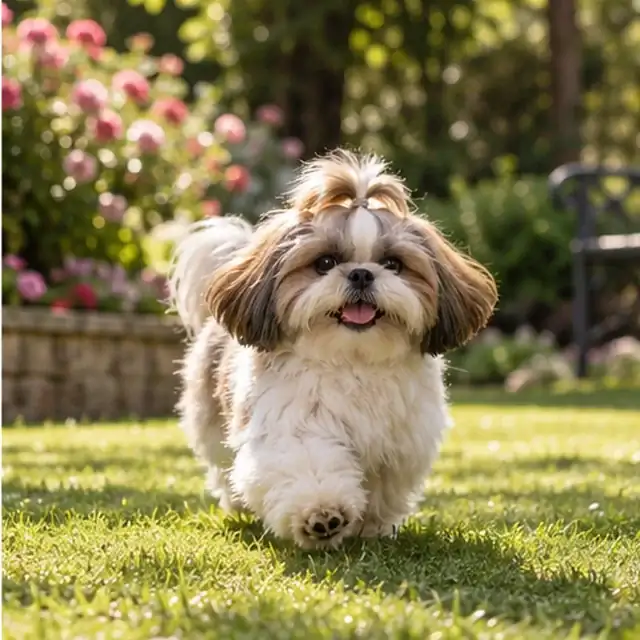
Shih Tzu is a small (4.5-8 kg, about 27 cm) dog with long silky hair. Friendly and independent, funny and cute. Smart and easy to learn, although stubborn. Created as a companion, therefore loves company very much. Because of the flat muzzle, the airways are narrower than in dogs with longer muzzles, so heat and exercise require caution.

It is well suited for living in an apartment, because it does not need long runs. Likes to be close to a person and does not tolerate loneliness well. In the summer, a cool place is a must, walks are postponed to the morning and evening.
Moderate Short daily walks and games. Long hair should not interfere with movement, dirty and uneven areas are not ideal for it.
Smart and easy to learn, but stubborn. Classes are short, interesting, and rewarding. Basic obedience and early socialization are a must.
Long wool needs regular brushing, combing, bathing and drying. The hair on the head is collected to protect the eyes. Those who want a short coat, contact the groomer every 6-8 weeks. Eyes, folds on the face and ears are wiped.
Small children can easily injure a Shih Tzu, so extra care is needed. Children and the dog are always supervised by an adult. Children are taught to take a dog correctly.
Usually friendly. Cats and large dogs can easily injure a Shih Tzu, so communication with them requires extra attention.
Estimates help compare breeds. For zooaggression, 5/5 means less tendency to aggression towards dogs. The behavior and health of a particular dog depend on many factors.
Created as a companion, very fond of company.
Smart, but stubborn.
Friendly but fragile for large dogs and cats.
In the British cohort, the median lifespan of the breed was 12.8 years. Among the described breed risks: dysplasia of the hip joints, dislocation of the patella, progressive retinal atrophy; examination of the parents is confirmed with the veterinarian.
Long hair requires daily grooming or regular trimming.
Hip Dysplasia: The breeder is asked to confirm examinations of both parents. Excess weight increases the load on the joints, so the puppy should not be overfed. Stiffness after rest is not attributed to age without an examination.
With dislocation of the patella, the dog suddenly bends its hind leg while walking. The doctor assesses the extent of the dislocation, and it depends on whether treatment is needed. It is better to ask the breeder about similar cases in the pedigree.
Progressive Retinal Atrophy: The retina is gradually destroyed, and over time the dog can become blind. Ask the breeder for the results of genetic tests and ophthalmological examinations of the parents.
Cataract: clouding of the lens; regular examinations by a veterinary ophthalmologist, changes in vision or the appearance of the eyes are not ignored.