Human orientation
Medium-high rating: gentle with the owner. Behavior depends on upbringing.
THE PAW CATALOG
Origin: Japan
It comes from Shikoku Island in Kochi Prefecture, a remote mountainous region. Bred for hunting big game.
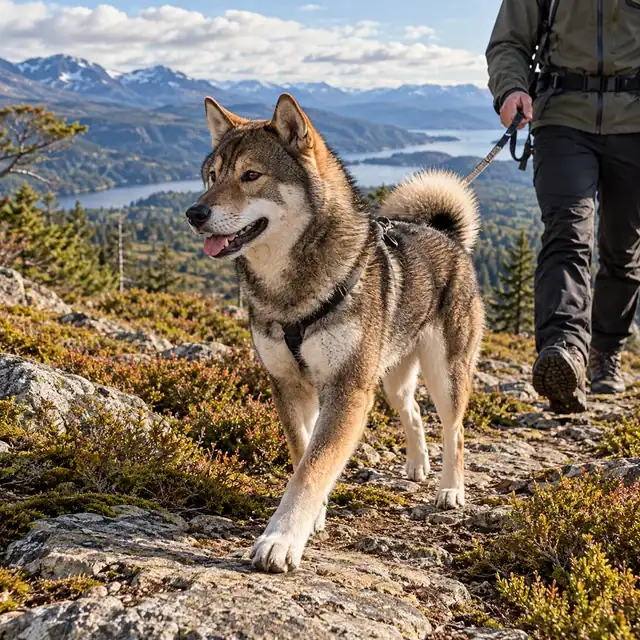
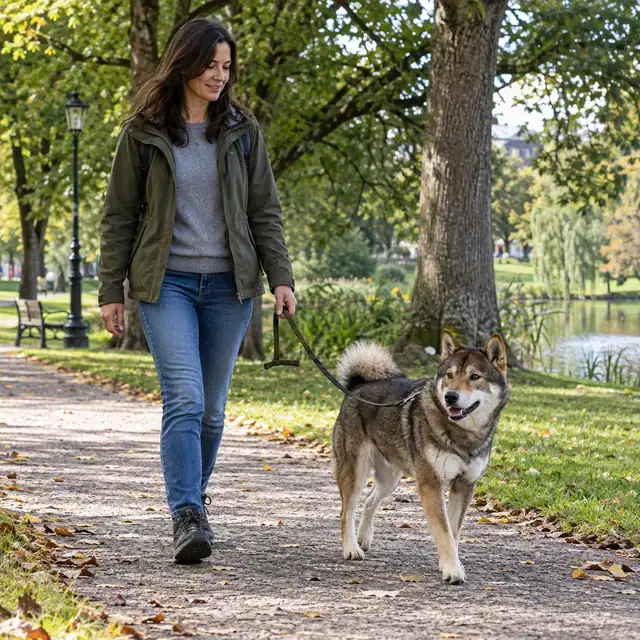
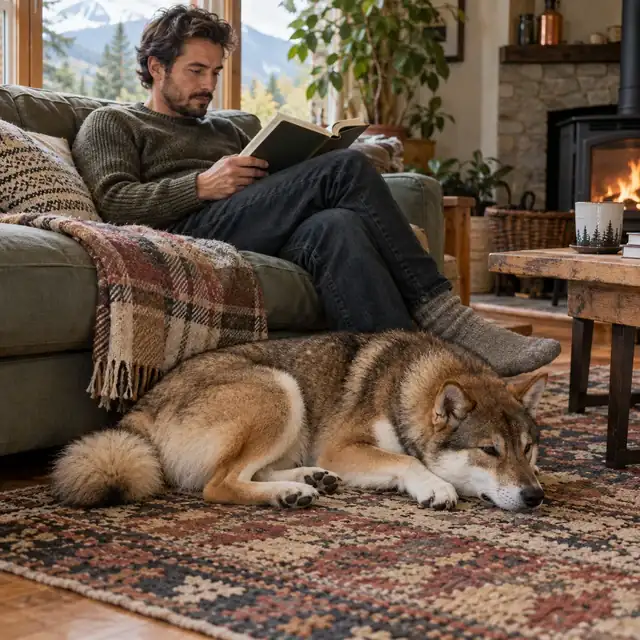
Shikoku is a rare Japanese breed (about 49-52 cm) for hunting big game, with a double coat of red, "sesame" or black and tan color. Energetic, alert, very hardy; gentle with the owner. Needs a lot of movement, and is not suitable for living with small pets.

Suitable for very active owners. Requires regular significant loads.
High: Stamina and energy require significant daily movement.
Puppies are easy to train, but with age it becomes more difficult. It is necessary to start early, consistently.
Double wool does not smell "dog" and is considered clean. They are bathed once every few months and thoroughly dried with a hair dryer for dogs. Twice a year, the coat sheds completely: then care is mandatory.
Contacts with children must be supervised: an energetic hunter.
The hunting instinct is high, he chases small animals. It is not recommended to live with small pets.
Estimates help compare breeds. For zooaggression, 5/5 means less tendency to aggression towards dogs. The behavior and health of a particular dog depend on many factors.
Medium-high rating: gentle with the owner. Behavior depends on upbringing.
Average score: Learns easily as a puppy.
Low Score: High Hunting Instinct.
There is no comparable survival estimate for the breed in the British cohort used. The absence of the mentioned risk does not prove the absence of hereditary diseases.
Average score: moderate coat care.
Breed screening: detailed data on hereditary diseases of the Shikoku breed are scarce. Ask the breeder for documentary results of examinations of both parents and current recommendations of the club.
Musculoskeletal system: the growth and load of the Shikoku breed should correspond to its age. Lameness, pain, or reluctance to move require a veterinary examination.
Eyes and heart need regular attention from a doctor. How often to do special examinations is suggested by the breed club and the doctor. Ask the breeder what tests the parents have passed.