Human orientation
Medium-high rating: loves people, but independent. Behavior depends on upbringing.
THE PAW CATALOG
Origin: Northeast Asia; patronage of the USA
The ancestors of the breed bred Chukchi in Northeast Asia as family companions and hardy sled dogs. Fame came in the early 1900s through sled racing, and in 1925, a relay team led by Leonard Seppala carried life-saving diphtheria serum nearly 1,000 km to Nome, Alaska.
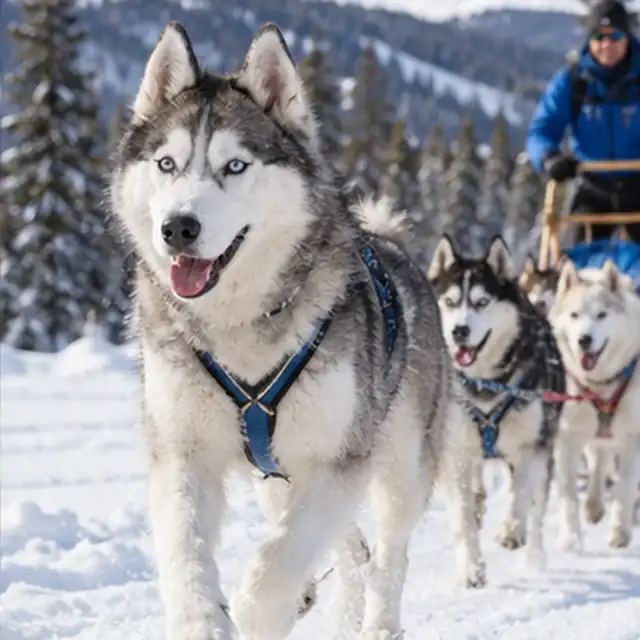
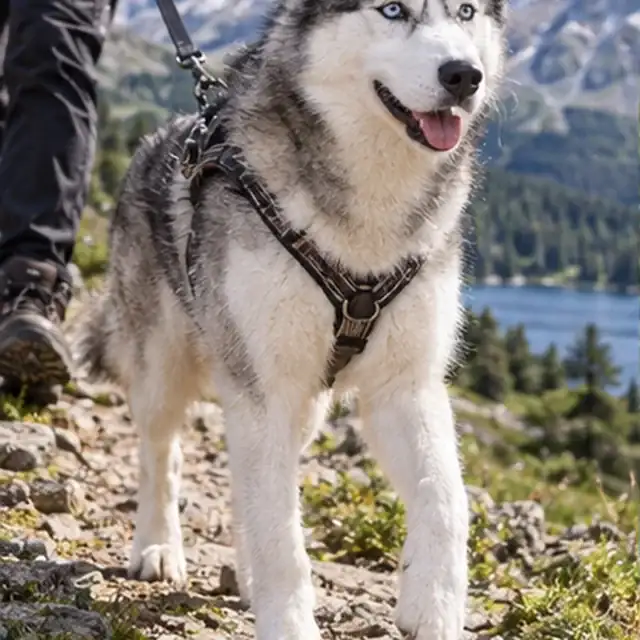
The Siberian Husky is a handsome medium (51-60 cm, 16-27 kg) riding dog with a thick double coat and blue or brown eyes. Smart, independent, stubborn character; loves people, barks little, but howls. Needs a lot of movement, a high fence and a patient owner.

Suitable for very active families. The dog runs away and doesn't always come back, so you need a yard with a high, strong fence.
Very high: movement, running, harness work and play every day.
Intelligent, but independent and stubborn. It requires firm but gentle training from puppyhood, patience and mental challenges. Hunting instinct interferes with recall.
They bathe occasionally, and during the molting season, the coat is combed regularly. It molts about twice a year, and each molt can last up to a month.
Suitable for active families, but needs supervision, like any dog. Children behave carefully.
Happy to communicate with other dogs when he gets to know them. The hunting instinct can be dangerous for cats and small animals.
Estimates help compare breeds. For zooaggression, 5/5 means less tendency to aggression towards dogs. The behavior and health of a particular dog depend on many factors.
Medium-high rating: loves people, but independent. Behavior depends on upbringing.
Average score: smart but stubborn.
Average score: peaceful with dogs, small animals - prey.
In the British cohort, the median lifespan of the breed was 11.9 years. Among the described breed risks: hip dysplasia, eye diseases; examination of the parents is confirmed with the veterinarian.
Medium-low rating: dense double coat and abundant shedding.
Eyes: Hereditary eye diseases are described. Regular examinations by a veterinary ophthalmologist; ask for the results of the parents' examinations.
Hip joints: dysplasia is described. The results of examinations of both parents are requested, the weight is kept within the norm.
SPS1 Puppy Shaking Syndrome: Genetic testing is available for the breed, ask the breeder for parent test results.
SHPN1 polyneuropathy: an inherited nerve disorder for which there is a genetic test. Ask the breeder for results.