Human orientation
High score: affectionate and sociable. Behavior depends on upbringing.
THE PAW CATALOG
Origin: Slovakia
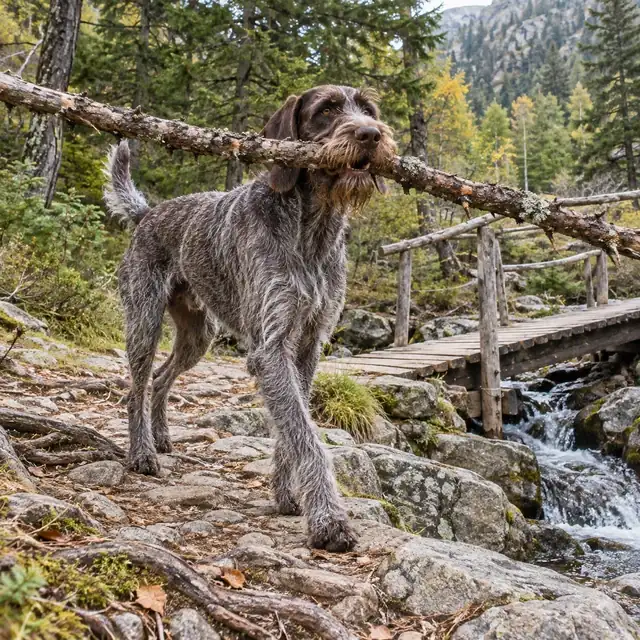
Bred by Koloman Slimak from German Wirehaired Pointers, Weimaraners and Czech Fouseks, also with Pudelpointer influence. The goal is a hardy hunting dog for birds, hares and even deer-sized game. The breed came to Great Britain in 1997, and it was shown at Crafts in 2007.
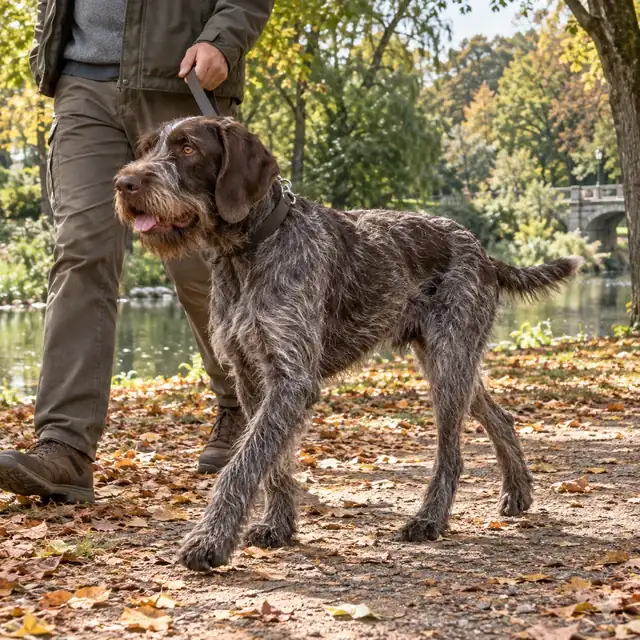
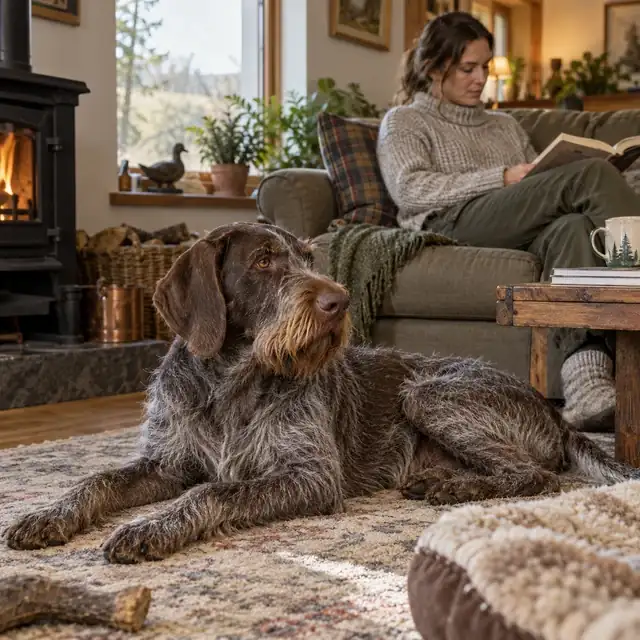
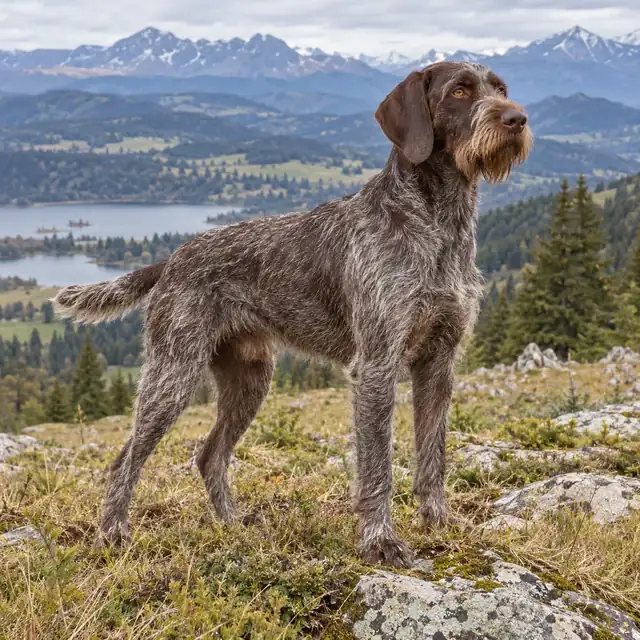
Slovak Wirehaired Pointer is a large (57-68 cm, over 27 kg) hunting dog with a hard wire coat, whiskers and a gray "sable" coat. Kind, sociable, intelligent, calm at home, energetic outside. Needs lots of movement and gentle nurturing.
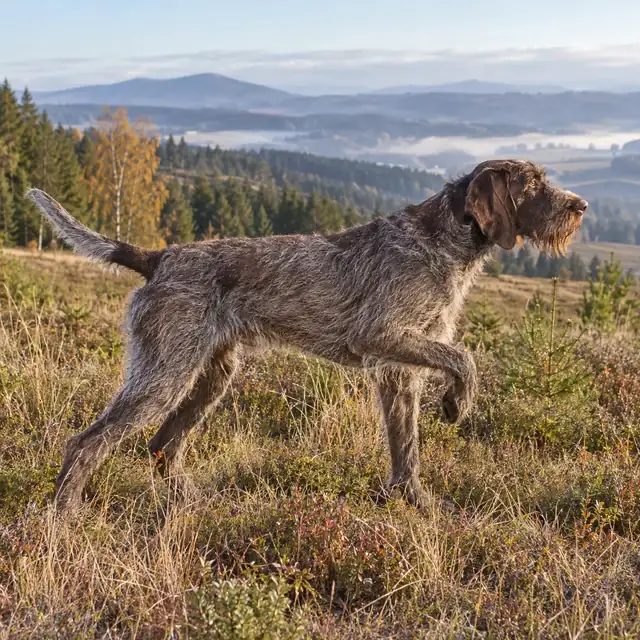
Suitable for hunters and active families with space. Calm at home, but needs daily long walks.
High: one to two hours of walking per day and swimming.
Sensitive to rough handling, so the upbringing is gentle, consistent, with rewards. The hunting instinct can lead to prey, so walks should be in safe places until the dog is trained.
The hard coat is combed regularly to remove debris; bathing infrequently. Ears are examined, claws are trimmed.
Gets along well with children if socialized from an early age. Contacts under supervision.
It usually gets along well with other pets, especially if it grew up together. Gets along with dogs after early socialization.
Estimates help compare breeds. For zooaggression, 5/5 means less tendency to aggression towards dogs. The behavior and health of a particular dog depend on many factors.
High score: affectionate and sociable. Behavior depends on upbringing.
Medium-high rating: intelligent, sensitive to pressure.
Medium-high score: get along, especially if you grew up together.
There is no comparable survival estimate for the breed in the British cohort used. Among the described breed risks: hip dysplasia, progressive retinal atrophy, cataracts; examination of the parents is confirmed with the veterinarian.
Medium-high rating: stiff wool without complex shearing.
Dysplasia of the hip joints: the results of examinations of both parents are requested, the weight is kept within the norm, and the lameness is shown to the veterinarian. Sometimes allergies also occur.
Progressive retinal atrophy: an inherited disease that gradually leads to blindness. Genetic tests and ophthalmological examinations of the parents allow you to assess the risk before buying.
Cataract: clouding of the lens; regular examinations by a veterinary ophthalmologist, changes in vision or the appearance of the eyes are not ignored.