Human orientation
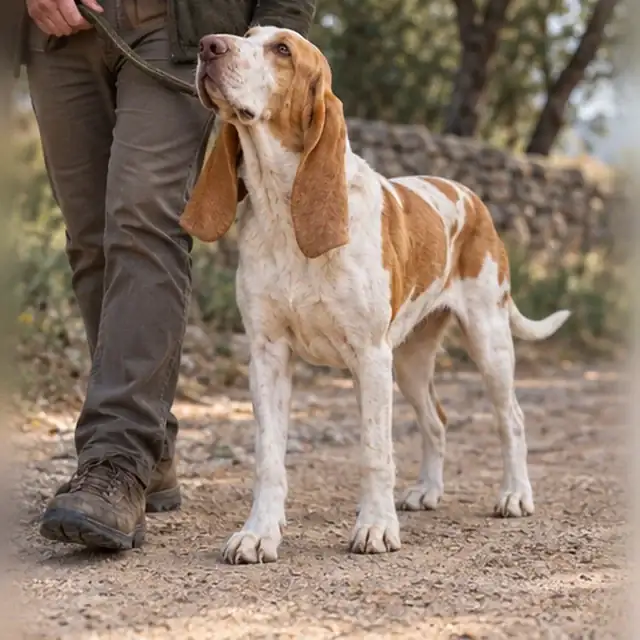
Kind at home, but works independently in the field.
THE PAW CATALOG
Origin: Spain
Spanish breed, known in the late Middle Ages. It is described in the hunting book of King Alfonso XI (14th century) and in the work of Argote de Molina (1582), as well as in other classical texts.
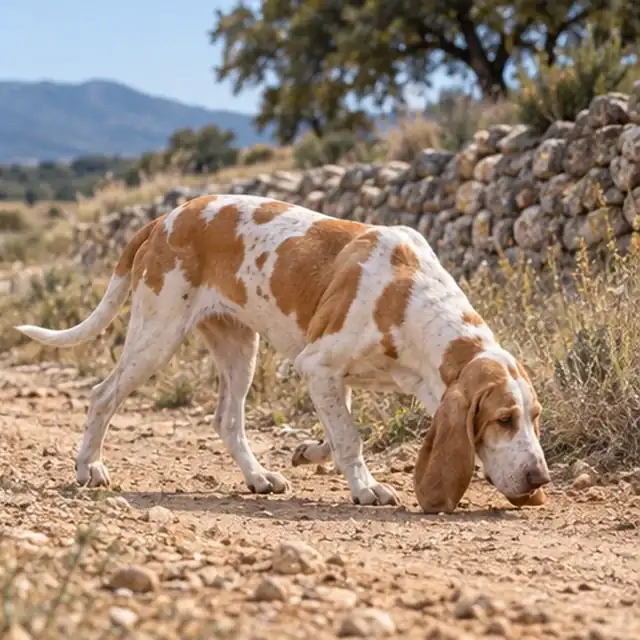
The Spanish Hound (Sabueso Español) is a medium (52-57 cm in males, 48-53 cm in females) hound with a body longer than its height and a short dense white-red coat. Kind and calm at home, and in the field, especially on large game, shows remarkable courage. A working hunting dog that feels best in the countryside.
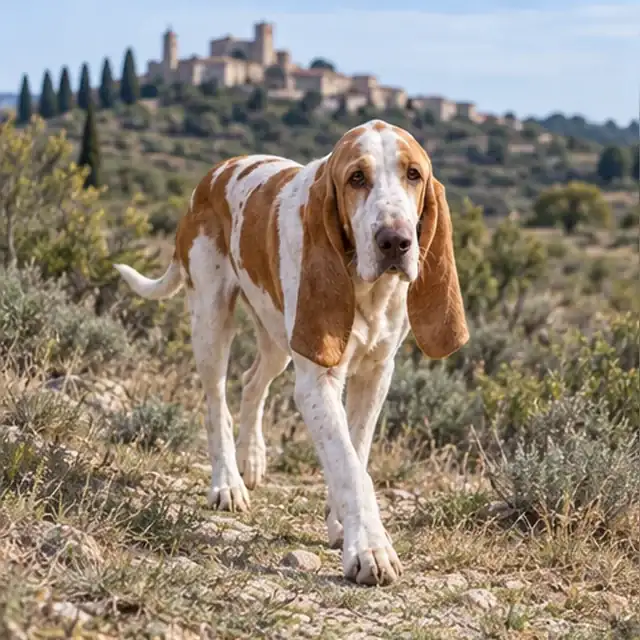
Suitable for hunters and owners with a large fenced area. The apartment requires daily long movement. Prolonged loneliness is undesirable.
High Long daily walks, running in a safe area, sniffing work.
Recall is trained from an early age, because the sense of smell prevails over commands. Classes are short, with a reward. They are only kept off-leash in a safe area.
Short, thin, dense wool is combed once a week. Long ears are regularly cleaned. After the hunt, paws, skin and ears are checked.
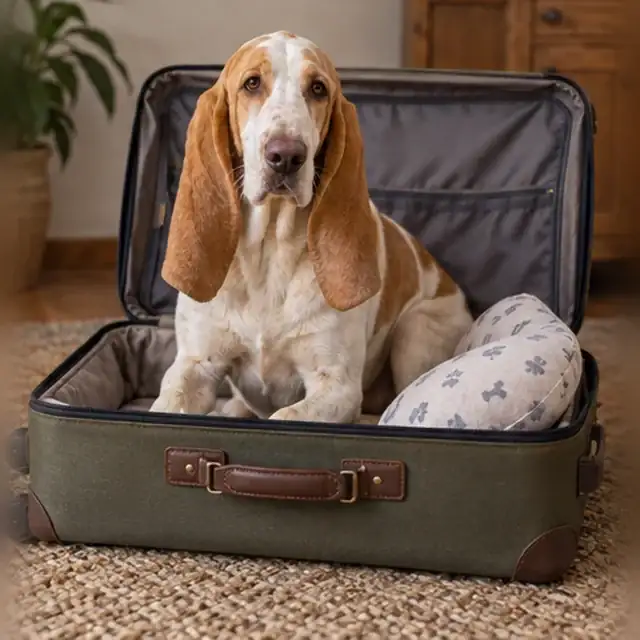
Kind and calm at home, usually gets along well with children. Babies and a dog under the supervision of an adult.
The hunting instinct is aimed at hares and other game. He usually gets along with dogs, small animals are not left unattended.
Estimates help compare breeds. For zooaggression, 5/5 means less tendency to aggression towards dogs. The behavior and health of a particular dog depend on many factors.
Kind at home, but works independently in the field.
Smell prevails over commands, patience is required.
It is generally good with dogs, but game is perceived as prey.
There is no comparable survival estimate for the breed in the British cohort used. The absence of the mentioned risk does not prove the absence of hereditary diseases.
The short coat is simple, but the ears and paws require inspections.
Pedigree Screening: There is little reliable data on the hereditary diseases of the Spanish Hound breed, so the results of examinations of both parents should be requested in writing.
Musculoskeletal apparatus: for the "Spanish Hound" breed, the load is selected according to age and condition. Limping, pain or reluctance to move is a reason to consult a veterinarian.
The condition of the eyes and heart is included in the routine examination. Narrow examinations, for example by an ophthalmologist or a cardiologist, are prescribed as needed. Do not delay new symptoms, such as blurred vision or shortness of breath, until your next appointment.