Human orientation
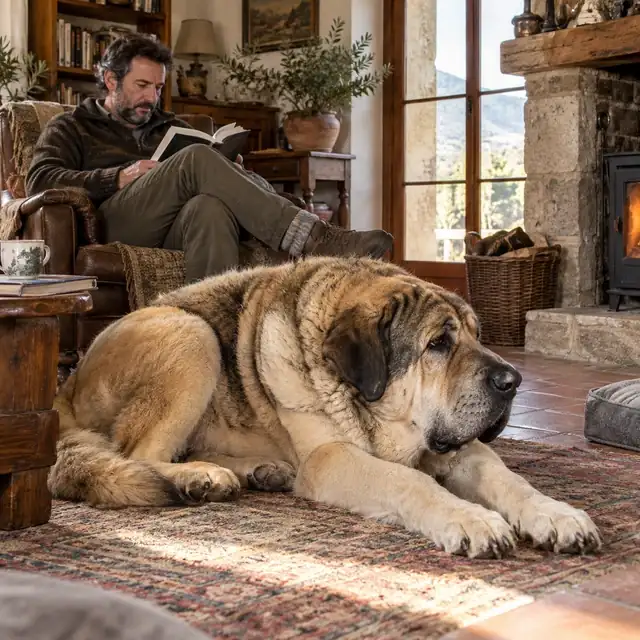
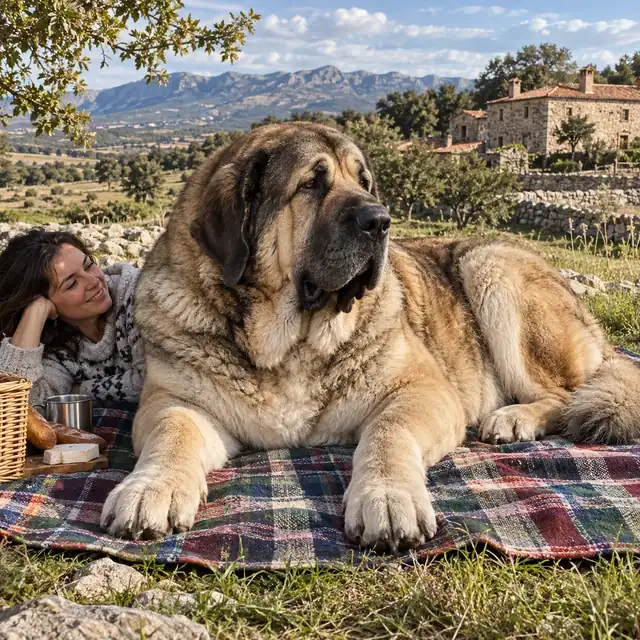
Tender and devoted to the family, at the same time decisive against strangers.
THE PAW CATALOG
Origin: Spain
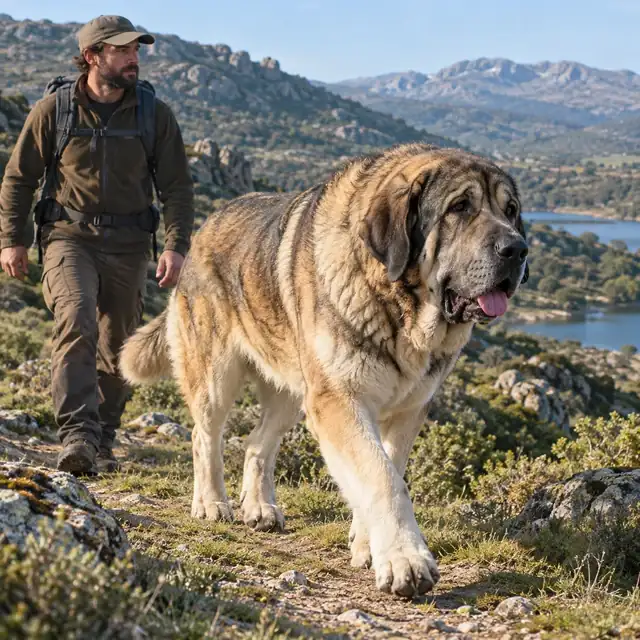
A Spanish breed whose history is connected with the Mesto - a medieval association of shepherds who grazed migrating flocks. The mastiff protected herds of Merinos from wolves and other predators along the race routes. Today it still accompanies settled and migrating herds and protects farms, people and property.
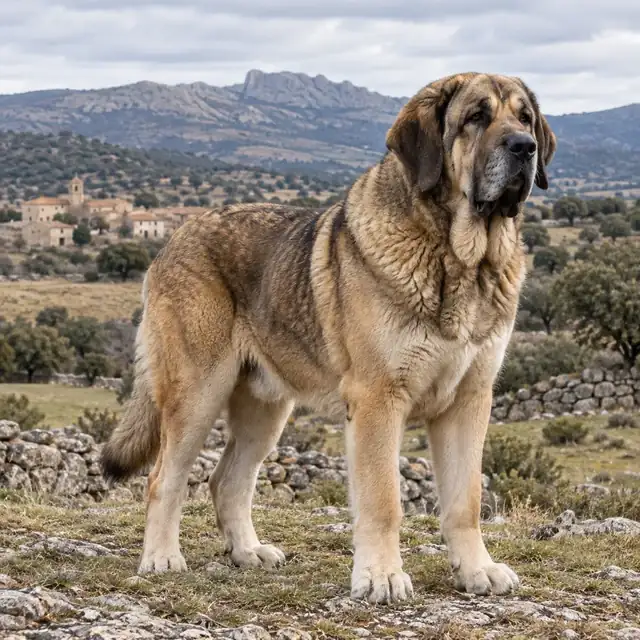
The Spanish Mastiff is a very large dog: the minimum height at the withers is 77 cm for males and 72 cm for females, ideally over 80 cm and over 75 cm, respectively. Smart, hardy, gentle and noble. Confident, aware of his own strength, decisive towards dangerous animals and strangers, especially when protecting livestock or property. Suitable for an experienced owner with a large farm.

Only suitable for owners with a large yard or farm, a reliable high fence and experience with large guard breeds. Not suitable for an apartment. Space, structure and calm leadership are needed.
Moderate Daily walks and freedom of movement in a large fenced area. Does not need intensive running, but needs space.
Early and extensive socialization is a must, otherwise the guard nature becomes a problem. Teaching is calm, consistent, without rudeness. Guests and strangers are introduced to the dog in a controlled manner.
Dense, thick, smooth wool of medium length needs combing once a week, more often during shedding. Ears, folds on the face, teeth and claws are inspected regularly. Weight and growth are monitored.
Gentle with family, but size and strength require strict supervision of contact with children. Strangers' children and guests are introduced to the dog carefully.
The protective instinct can be manifested in relation to other people's dogs and other animals. Early socialization is necessary, and the walk is organized safely.
Estimates help compare breeds. For zooaggression, 5/5 means less tendency to aggression towards dogs. The behavior and health of a particular dog depend on many factors.
Tender and devoted to the family, at the same time decisive against strangers.
Smart, but needs experienced and calm leadership.
The protective instinct needs early socialization.
There is no comparable survival estimate for the breed in the British cohort used. The absence of the mentioned risk does not prove the absence of hereditary diseases.
Medium-length wool is simple, but the size makes life difficult.
Breed screening: there are few descriptions of hereditary diseases of the Spanish Mastiff breed. Ask the breeder for the written results of the parents' examinations and the current requirements of the club.
Musculoskeletal system: the growth and load of the Spanish Mastiff dog are adjusted to its age. If lameness or pain occurs, a veterinary examination is required.
During preventive visits, the veterinarian checks the eyes and the heart. Narrow examinations, for example by an ophthalmologist or a cardiologist, are prescribed as needed. Do not delay new symptoms, such as blurred vision or shortness of breath, until your next appointment.