Human orientation
High score: devoted to the family, does not like loneliness. Behavior depends on socialization.
THE PAW CATALOG
Origin: Germany
An ancient German breed, which is depicted in the paintings of Durer and Rembrandt. It is believed to be descended from a wolf-gray spitz and a black German poodle crossed with a wire-haired pinscher. Dogs were first shown in Germany in 1879 as hard-haired pinschers, and the standard appeared in 1880. In the United States, they are classified as terriers for their ability to catch rats, and in Germany, they are a working dog that guarded farms and ponds. The breed gained wide popularity in the USA only after the First World War.
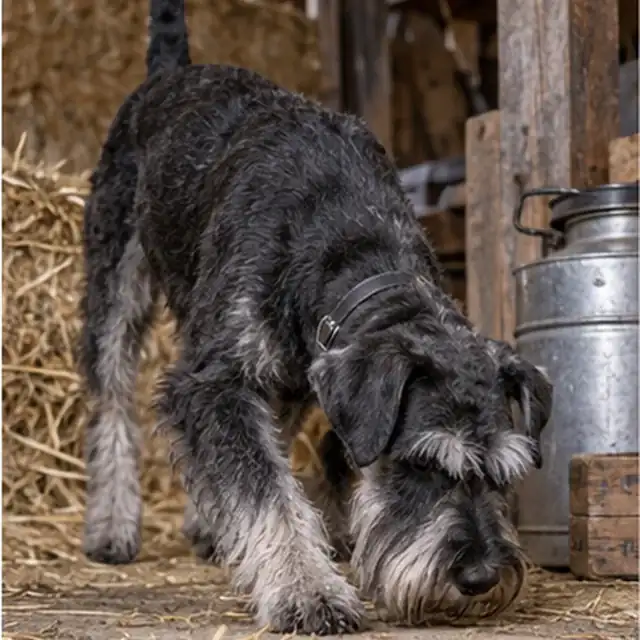
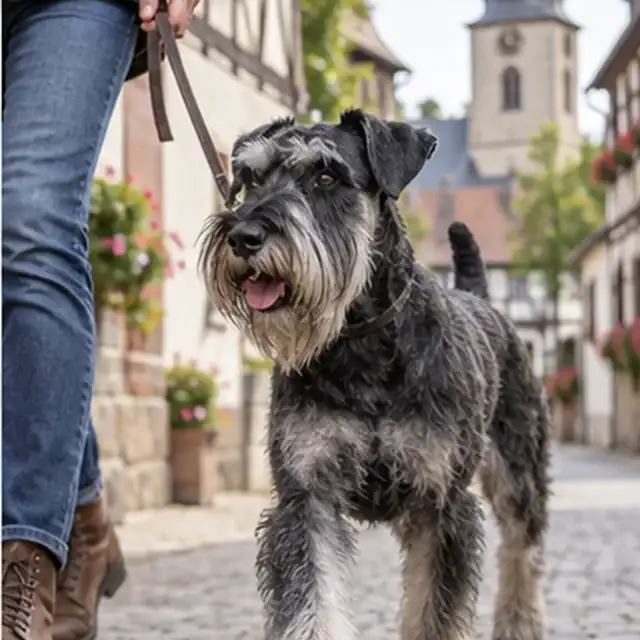
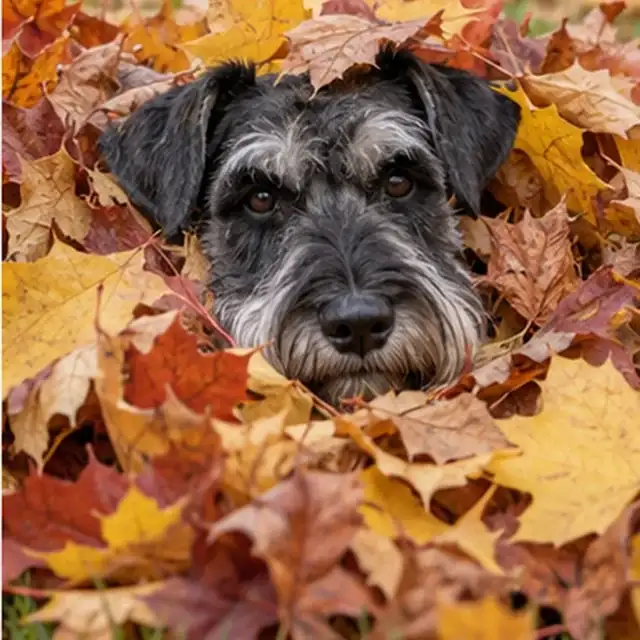
The Mittelschnauzer is a medium-sized German dog (about 46-48 cm, 16-20 kg) of compact, square build with a stiff wire coat, eyebrows and beard. Color "pepper with salt" or black. Dark, loyal, alert and brave. Requires activity, early socialization and regular trimming.

Suitable for a family ready for an active life. In an enclosure or alone in the backyard, he is unhappy: he needs people nearby.
Need more than 30 minutes of activity every day; without it, the dog can rummage around the house and spoil things.
Shy and easy to learn, but he is stubborn and cleverly circumvents commands. Early socialization and consistent upbringing are necessary.
Wire hair needs trimming, cutting or visits to the groomer. They comb and bathe regularly. Beards are wiped after meals, ears are examined, claws are trimmed.
Family-oriented, usually gets along well with children. Lack of exercise can lead to the dog chasing the baby, so activity is a must.
The hunting and rat instinct is preserved, therefore small animals are prey for it. Socialization helps to get along with dogs.
Estimates help compare breeds. For zooaggression, 5/5 means less tendency to aggression towards dogs. The behavior and health of a particular dog depend on many factors.
High score: devoted to the family, does not like loneliness. Behavior depends on socialization.
High score: understanding, although sometimes stubborn.
Average score: rat instinct needs control.
In the British cohort, the median lifespan of the breed was 13.0 years. Among the described breed risks: hip dysplasia, cardiomyopathy, eye diseases; examination of the parents is confirmed with the veterinarian.
Average score: wire wool needs trimming or cutting.
Dysplasia of the hip joints: the results of examinations of both parents are requested. Excess weight increases the load on the joints, so the puppy should not be overfed. Lameness is shown to the veterinarian.
Cardiomyopathy is a disease of the heart muscle. New fatigue, coughing, or shortness of breath require a veterinary examination.
Eye diseases: it is worth planning regular visits to an ophthalmologist. Redness, cloudiness or excessive tearing are not ignored.