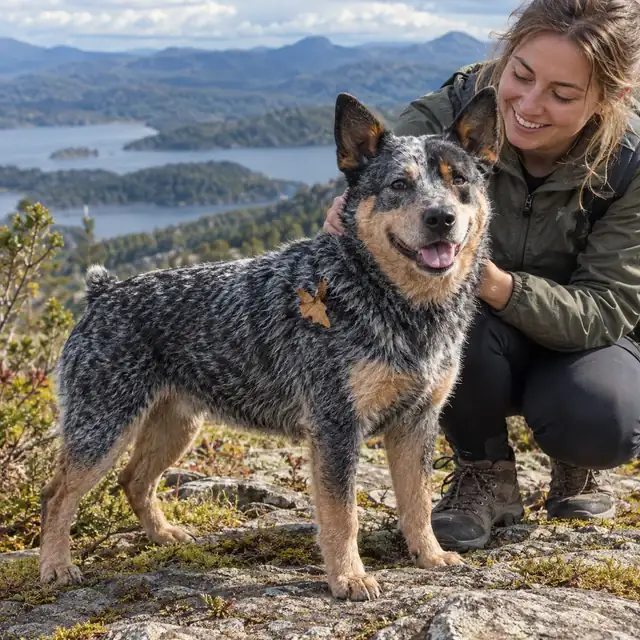
Human orientation
A low score means that the breed can maintain considerable independence in communicating with humans. She is reserved with strangers, so acquaintances should be calm.
THE PAW CATALOG
Origin: Australia
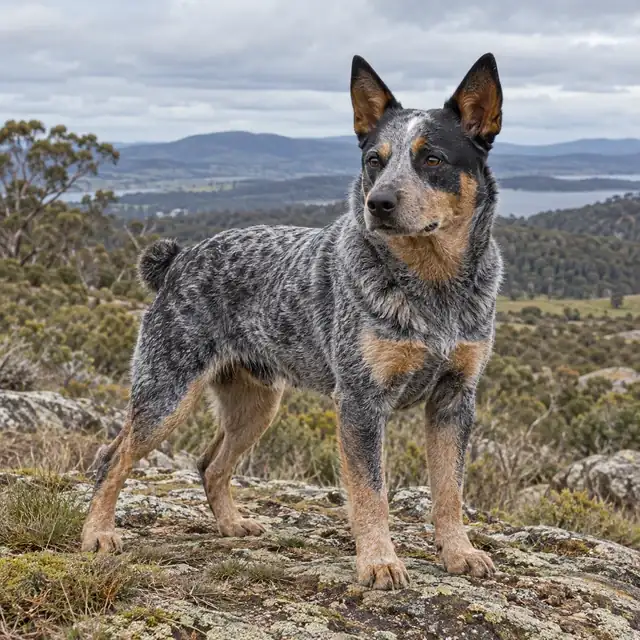
The breed comes from Australia. The Australian National Kennel Council approved its standard in 1988, and it was admitted to the working group in 1998. In the FCI classification, it belongs to group 1, section 2. A recognizable feature is a naturally short tail no longer than ten centimeters, which is not docked.
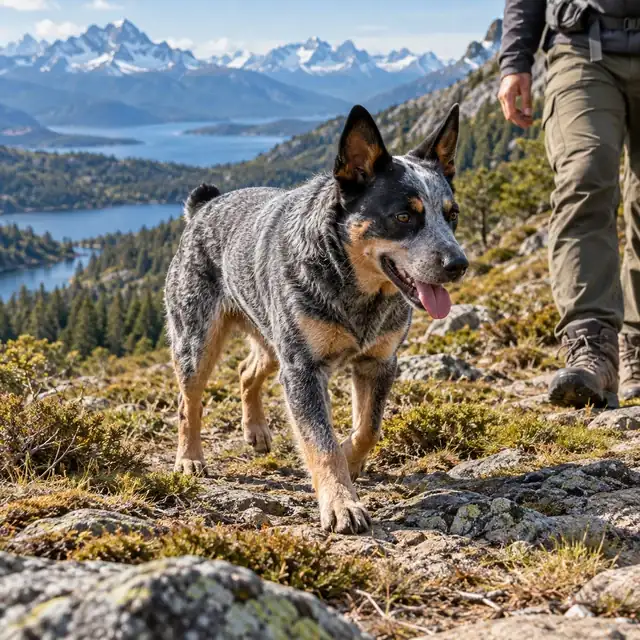
The Australian Short-tailed Sheepdog is an energetic working dog with a naturally short tail, bred in Australia to work with cattle. He is alert, obedient and attached to his master, but reserved with strangers. Requires significant movement and consistent training. Has previous FCI recognition.
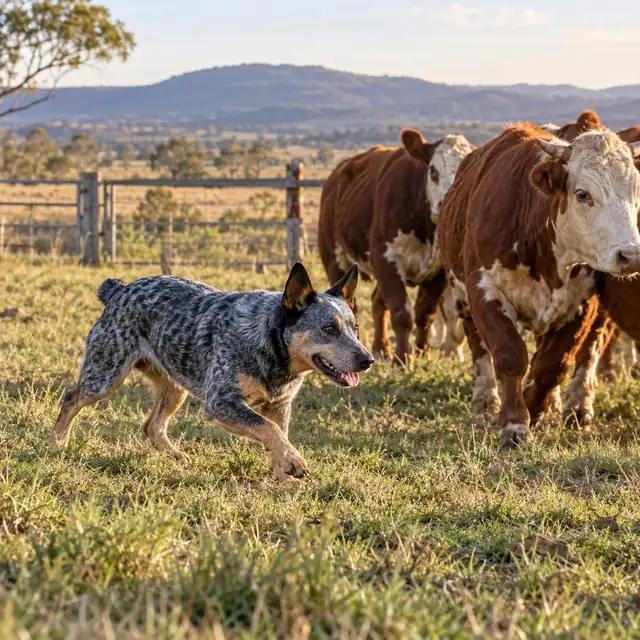
This is a working dog, and tasks are important to him, not just territory. He feels good in a house with a yard if he gets daily exercise and activities. The breed is reserved with strangers, so guests should get to know each other gradually. The owner must be ready for constant, consistent work.
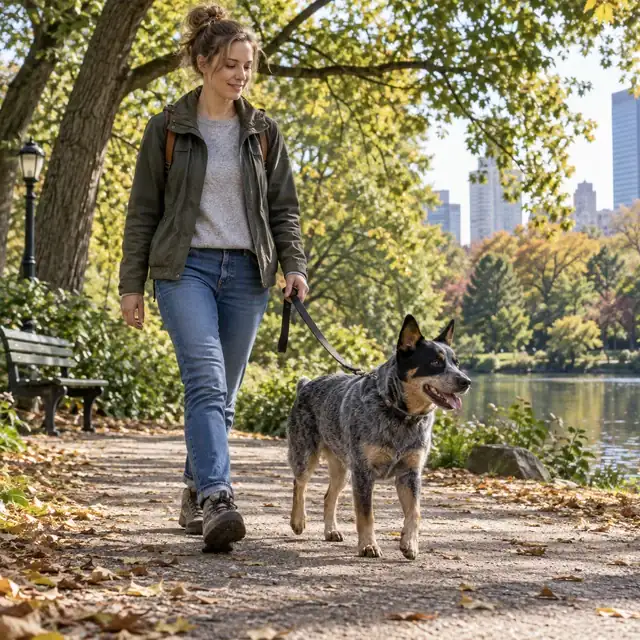
A healthy adult dog needs a lot of exercise: long walks, running, olfactory and mental tasks. The breed standard describes free, tireless movement and the ability to work long hours, so boredom is a problem for her. Puppies and older dogs are loaded on the advice of a veterinarian.
Training requires a clear regime and regular repetitions. The breed is curious, but has a lot of independence, so patience and motivation are more important than the number of commands. Short classes with rewards give a better result than long, monotonous ones.
The coat is moderately short, straight, dense, with a soft undercoat and a slightly longer "mane" on the neck. It is enough to comb it about once a week, and more often during shedding. Teeth, claws, ears, skin and weight are regularly checked.
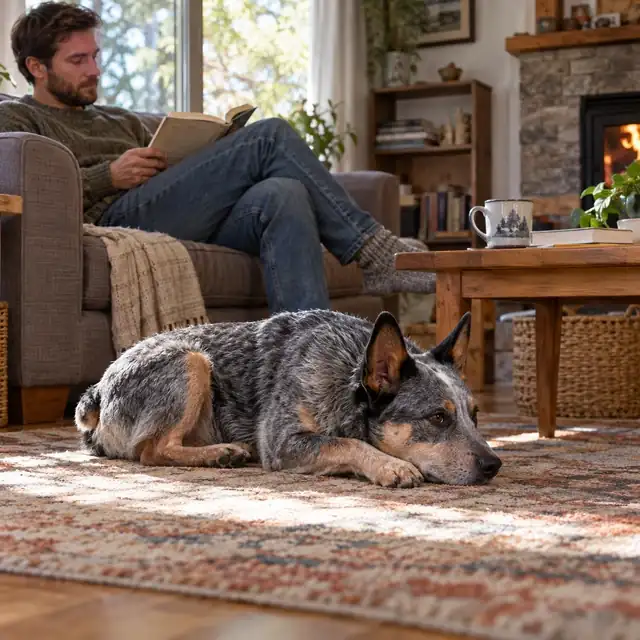
A dog that works with cattle may exhibit the herding habit of heel nipping. Small children are not left unattended with her, and the rules of calm contact are explained to the children. The dog needs a place where it will not be disturbed.
Acquaintance with other dogs requires careful control, because the restraint of the breed can be manifested in relations with them. The attitude towards cats and small animals is evaluated separately, and socialization is important from an early age.
Estimates help compare breeds. For zooaggression, 5/5 means less tendency to aggression towards dogs. The behavior and health of a particular dog depend on many factors.
A low score means that the breed can maintain considerable independence in communicating with humans. She is reserved with strangers, so acquaintances should be calm.
Average score: learning requires a clear regimen and regular repetition. The owner will need patience, motivation and short, consistent exercises.
A low score means that introductions to other dogs require careful supervision. The attitude towards cats and small animals is evaluated separately, early socialization is important.
There is no comparable survival estimate for the breed in the British cohort used. Among the described breed risks: hip dysplasia, elbow dysplasia, hearing impairment. The examination of the parents is confirmed with the veterinarian.
The wool is combed approximately once a week, more often during shedding. Caring for the coat is simple, but high activity adds daily walks and mental tasks.
Joint disease associated with malformation is listed in the breed profile as a possible risk. The results of the parents' examinations are clarified with the breeder, and the need for them is determined by the veterinarian.
This condition is also mentioned among possible risks. It is detected by X-ray and can manifest as lameness in a young dog.
Hearing impairment is listed among the possible risks. The hearing test is performed by specialists, and the results of both parents should be requested from the breeder.
Dislocated lens is a condition where the lens is displaced, which can cause pain and loss of vision. It is revealed by a special eye examination.
In addition to specific diagnoses, eye diseases in general are mentioned in the breed profile. Scheduled eye examinations on the advice of a veterinarian are recommended.