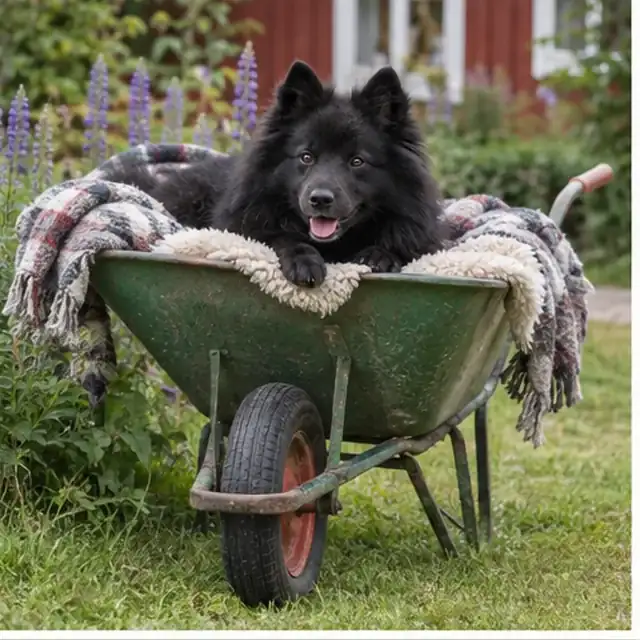
Human orientation
Gentle and attached to the family, needs communication.
THE PAW CATALOG
Origin: Sweden
It comes from the ancient hunting tribes of northern Scandinavia. At first he helped hunters and guarded, and when the tribes began to keep reindeer, he became a shepherd. It is the oldest of the nine native Swedish breeds, it is considered the national dog.
The Swedish Lapphund is a medium (45-51 cm in males, 40-46 cm in females) spitz with a thick double coat. Lively, kind, alert and gentle, cheerful and non-aggressive. Inquisitive, with an independent mind and often stubbornness. Needs early training to reduce excessive barking. Does not tolerate long loneliness.
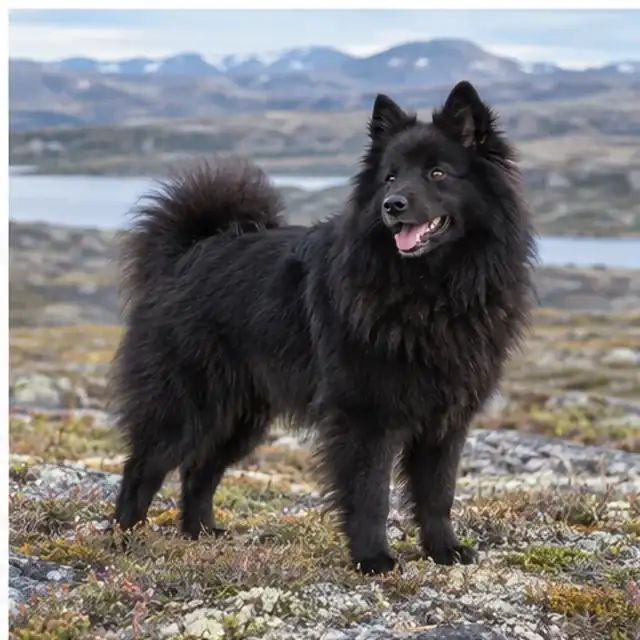
Suitable for active families who love walks and hikes. Needs communication, left for a long time can get bored and start pranks. The heat is hard for thick wool.
Moderately high. Daily walks, games and mental tasks. He likes to go hiking.
Learning requires patience and perseverance. Early socialization and classes are a must. The breed is suitable for herding species, agility and obedience. Barking is extinguished from an early age.
The medium length double coat is combed weekly. Grooming is relatively simple, but more attention is needed during shedding. Ears, teeth and claws are examined regularly.
Playful and non-aggressive, generally gets along well with children. Children and the dog are always under the supervision of an adult. Children are taught to behave calmly.
Generally friendly, especially during early socialization. The herding instinct can be manifested in attempts to "collect" other animals. Acquaintances are carried out gradually.
Estimates help compare breeds. For zooaggression, 5/5 means less tendency to aggression towards dogs. The behavior and health of a particular dog depend on many factors.
Gentle and attached to the family, needs communication.
Intelligent, but with an independent mind and stubbornness; patience is required.
Generally friendly, but herding instinct sometimes shows.
There is no comparable survival estimate for the breed in the British cohort used. Among the described breed risks: hip dysplasia, progressive retinal atrophy; examination of the parents is confirmed with the veterinarian.
Thick wool requires regular brushing, especially during shedding.
Hip Dysplasia: Parents look at joint health before choosing a puppy. The weight is kept normal. Stiffness after rest is not attributed to age without an examination.
Progressive retinal atrophy is a hereditary disease that gradually leads to vision loss. Ask the breeder for the results of genetic tests and ophthalmological examinations of the parents.