Human orientation
Willingly pleases the owner and likes to be around people.
THE PAW CATALOG
Origin: Sweden
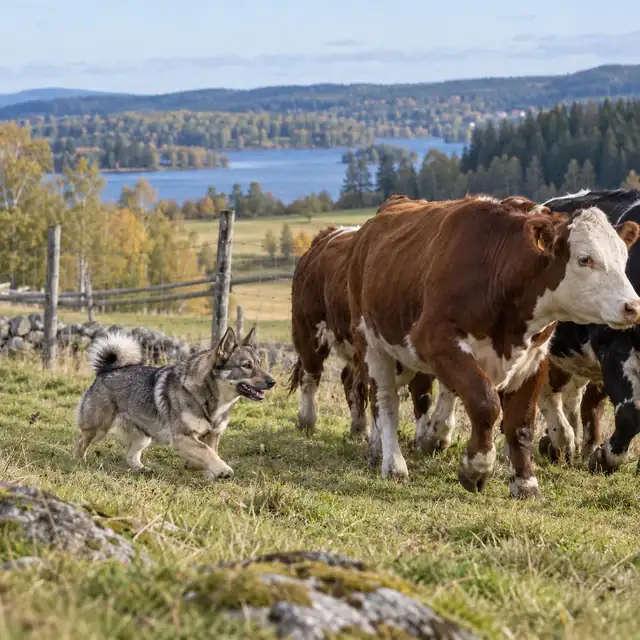
An ancient breed dating back to Viking times. It was bred for grazing livestock on farms. By 1942, it was on the verge of extinction and was restored by enthusiasts.
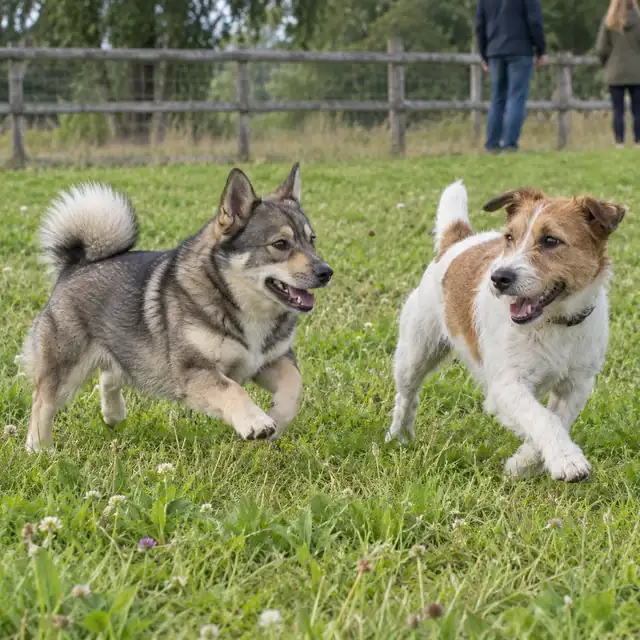
The Swedish Vallhund is a small (males 33-35 cm, bitches 31-33 cm, 11.5-16 kg) strong herding dog with a long body and short legs. Vigilant, energetic, hardy and obedient, willing to please the owner. Usually gets along well with other dogs, but is loud. Enjoys spending time with children.
Suitable for active families and people who like walks and activities. Can live in an apartment subject to daily workload. Prone to barking, so they work on it from puppyhood.
High Energetic, hardy, needs daily walks, games and mental tasks.
It is easy to learn and responds well to it. You have to start early to limit barking. Basic obedience is a must. Excellent for agility and herding work.
Double wool is easy to care for. Twice a year, the dog sheds a lot, at this time daily combing and warm bathing with blowing help. Ears, teeth and claws are examined.
Loves children and enjoys spending time with them. Small children with a dog are not left unattended. Herding nature can make you pinch your heels during play.
Usually gets along well with other dogs. Cats and small animals are introduced gradually, the shepherd's instinct can be manifested in attempts to "collect" them.
Estimates help compare breeds. For zooaggression, 5/5 means less tendency to aggression towards dogs. The behavior and health of a particular dog depend on many factors.
Willingly pleases the owner and likes to be around people.
Learns easily and responds to classes.
Generally good with dogs, but herding instinct sometimes shows.
In the British cohort, the median lifespan of the breed was 14.0 years; small sample: 22 deaths. Among the described breed risks: hip dysplasia; examination of the parents is confirmed with the veterinarian.
The coat is simple, but requires frequent combing during shedding.
Dysplasia of the hip joints: the results of X-ray evaluations of the parents are studied before the purchase. The weight is kept normal. Stiffness after rest is not attributed to age without an examination.