Human orientation
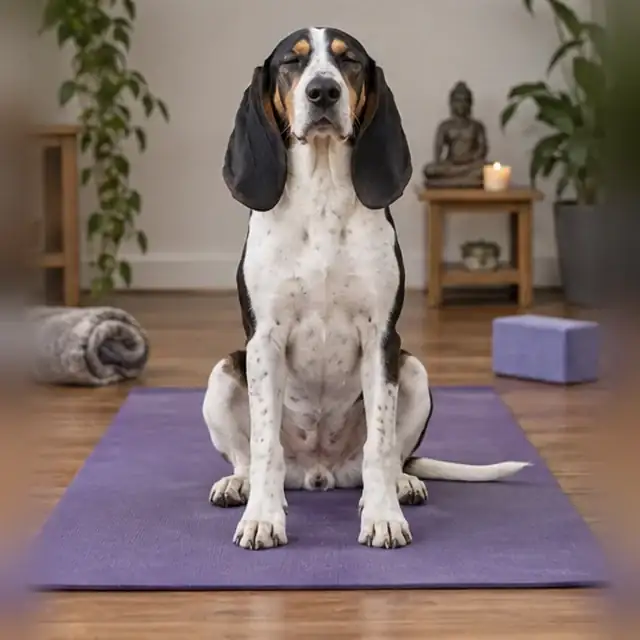
Strongly attached to the owner, sensitive.
THE PAW CATALOG
Origin: Switzerland
Swiss breed with old roots. A Roman-era mosaic in Avenisha depicts hounds similar to its varieties. Italian and then French hunters valued it, especially for hares. Native lines were probably influenced by French hounds brought by mercenaries. The standards of five varieties were adopted in 1882. The Turgau variety disappeared by 1909, and in 1933 a single standard for four was adopted. The Jurassic type of Saint Hubert has also disappeared.
The Swiss Hound is a medium (49-59 cm in males, 47-57 cm in females) hound with a short, smooth, dense coat and fine hair on the head and ears. Lively, passionate about hunting, sensitive, obedient and strongly attached to the owner. There are four varieties: Bernese, Jura, Lucerne, and Schweitzer. This is a working hunting dog that needs space and movement.

Best suited for hunters and owners of a large fenced area outside the city. It is difficult for him in the apartment. The voice and hunting zeal create difficulties in the urban environment.
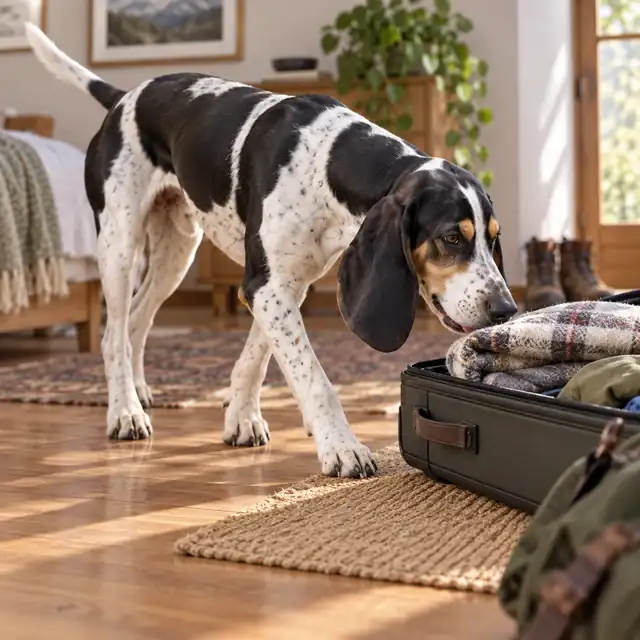
High Daily long walks, running in a safe area and sniff work. Hunts independently, with a loud voice, and persistently goes through difficult terrain.
Sensitive and obedient, responds well to gentle training. Recall is trained from an early age, because the sense of smell is distracting. They are only kept off-leash in a safe area.
Short smooth coat is easy: brush once a week. Long hanging ears are cleaned regularly. After hunting, paws and skin are checked.
Sensitive and attached to the owner, usually gets along well with children. Because of their energy, the kids and the dog are under supervision.
Accustomed to working in a pack, therefore usually tolerant of dogs. The hunting instinct is aimed at hares, roe deer and foxes, so be careful with small animals.
Estimates help compare breeds. For zooaggression, 5/5 means less tendency to aggression towards dogs. The behavior and health of a particular dog depend on many factors.
Strongly attached to the owner, sensitive.
Obedient, but the sense of smell prevails over commands.
In a pack, it gets along well with dogs, and perceives game as prey.
There is no comparable survival estimate for the breed in the British cohort used. The absence of the mentioned risk does not prove the absence of hereditary diseases.
The short, smooth coat is simple, and the ears and paws require inspections.
Pedigree Screening: There is little reliable data on the hereditary diseases of the Swiss Hound breed, so the results of examinations of both parents should be requested in writing.
Musculoskeletal apparatus: for the breed "Swiss Hound", the load is selected according to age and condition. Limping, pain or reluctance to move is a reason to consult a veterinarian.
Eyes and heart need regular attention from a doctor. The schedule of in-depth checks is coordinated with the veterinarian and the breed club. Do not delay new symptoms, such as blurred vision or shortness of breath, until your next appointment.