Human orientation
High score: devoted, attached to one person. Behavior depends on upbringing.
THE PAW CATALOG
Origin: Taiwan
An ancient Taiwanese breed, the line of which, judging by genetic data, goes back approximately 10-20 thousand years ago. Indigenous peoples kept such dogs for hunting. Dutch colonists in the 17th century brought hunting dogs, and crossbreeding began; Japanese rule and World War II brought even more confusion. After 1945, foreign dogs were released into the wild, mixing with local ones. A survey in 1976-1980 found only 46 purebred dogs out of 160 candidates, prompting calls for protection. The breed is now recognized by the FCI, publishing a standard in 2015.
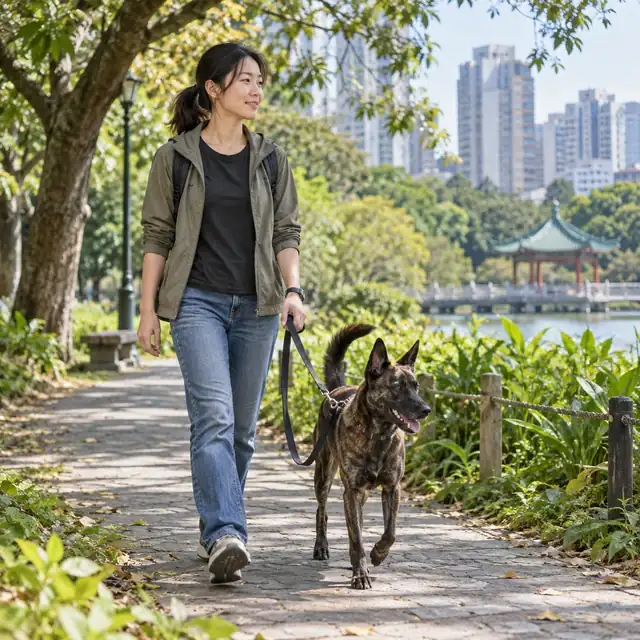
The Taiwanese dog (Formosan mountain) is a medium (43-52 cm, 12-18 kg) hunting dog with short, stiff hair. Very energetic, dedicated, quick learner; reserved to a stranger. Needs lots of movement and experienced socialization.

Suitable for very active owners. Often attached to one person and seems detached to others.
High: running, games and tasks every day.
He learns quickly, but is wary of unfamiliar sounds and places. The new scares him; it sometimes takes a few days to get used to. Early socialization is a must, without it he is overprotective.
Short, stiff wool is combed once a week, more often during shedding. Ears are examined, claws are trimmed.
In comfort and when learning, she is friendly with people, but contact with children is under supervision.
Hunting Instinct: It is capable of chasing and exhausting prey, such as wild boar. Acquaintances with other animals are cautious.
Estimates help compare breeds. For zooaggression, 5/5 means less tendency to aggression towards dogs. The behavior and health of a particular dog depend on many factors.
High score: devoted, attached to one person. Behavior depends on upbringing.
Medium-high grade: quick learner.
Average score: hunting instinct.
There is no comparable survival estimate for the breed in the British cohort used. The absence of the mentioned risk does not prove the absence of hereditary diseases.
High score: short coat.
Breed Screening: Little is known about hereditary diseases of the Taiwan Dog breed. The breeder is asked for documents with the results of examinations of both parents and current recommendations of the club.
Musculoskeletal system: the growth and load of a dog of the "Taiwanese dog" breed is coordinated with its age. If lameness or pain occurs, a veterinary examination is required.
Eyes and heart are checked during routine examinations. The schedule of in-depth checks is coordinated with the veterinarian and the breed club. Ask the breeder what tests the parents have passed.