Human orientation
Medium-high rating: friendly to people. Behavior depends on upbringing.
THE PAW CATALOG
Origin: Slovakia
In the mountainous regions of Slovakia, hounds have long hunted game. Medium hounds were selected in the 1930s and recognized as Slovak kopov. Smaller puppies that appeared from time to time in litters of Slovak cops became the basis of the smaller breed. To expand the gene pool and improve the sense of smell, other breeds were added at an early stage. In the FCI classification, it belongs to group 6 (standard No. 377).
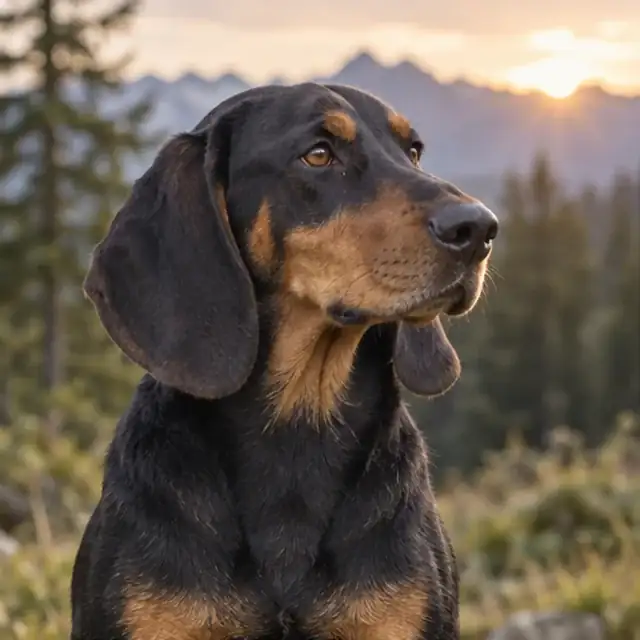
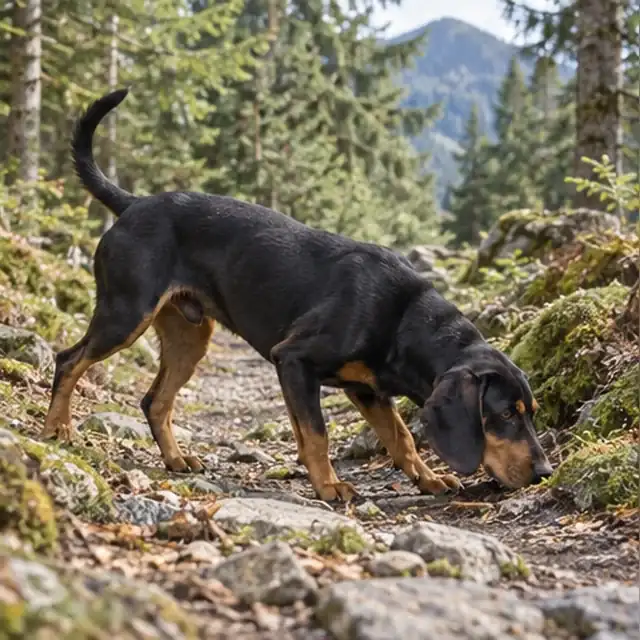
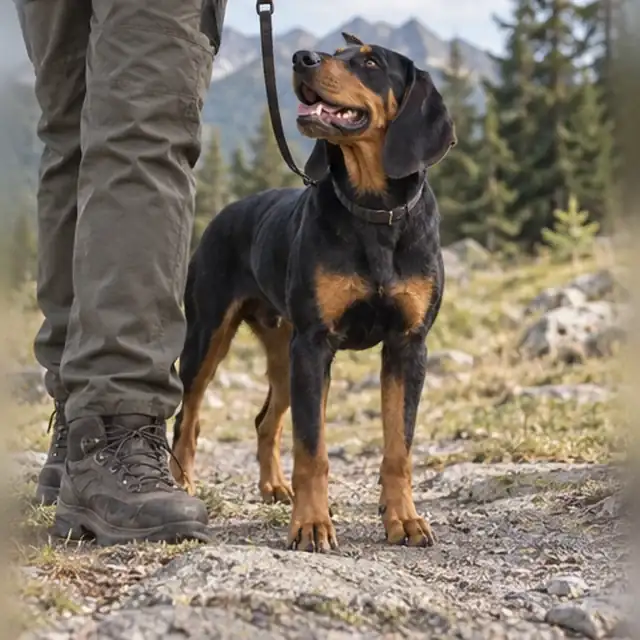
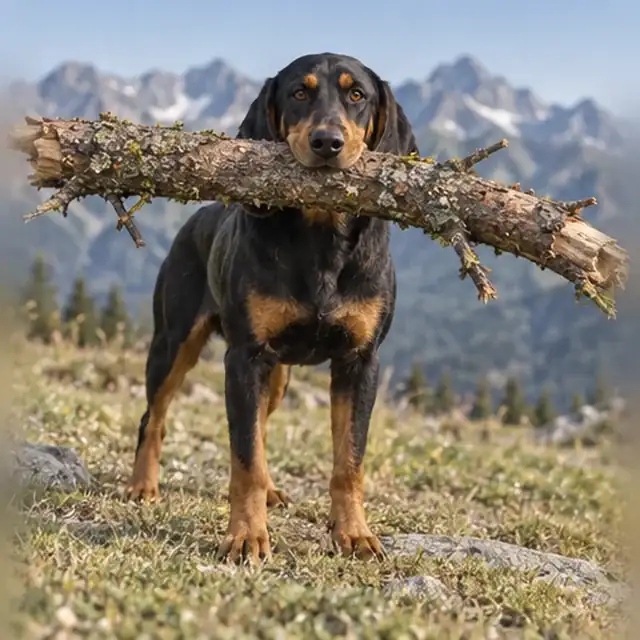
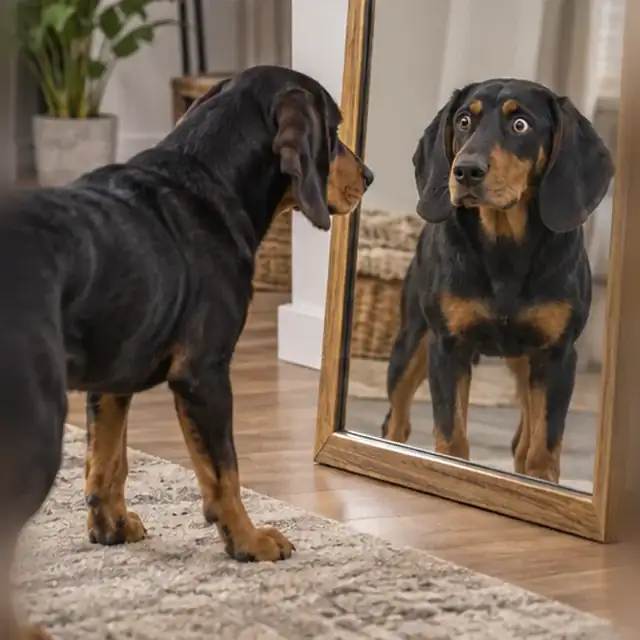
The Tatra hound is a short (36-42 cm) rectangular hound from the Slovakian mountains with a stiff coat of black-tan or solid red color. Smart, lively, balanced and friendly to people. Hunter in mountainous terrain, needs a lot of movement.

Suitable for hunters and very active owners. Not suitable for an apartment.
High: mountain walks, running and sniff work every day.
Intelligent and easy to control, ready to work. Smell and persistence on the trail require a reliable response and patience. Aggressiveness or timidity in the breed is not allowed.
The coat is hard and dense, it is enough to comb it once a week. Ears are examined, claws are trimmed.
Friendly to people, but lively. Contacts with children under supervision.
A hunter who works in a pack; he gets along with dogs, and game is prey.
Estimates help compare breeds. For zooaggression, 5/5 means less tendency to aggression towards dogs. The behavior and health of a particular dog depend on many factors.
Medium-high rating: friendly to people. Behavior depends on upbringing.
Average Score: Smart, but the sense of smell is distracting.
Average score: works in a pack, game is prey.
There is no comparable survival estimate for the breed in the British cohort used. The absence of the mentioned risk does not prove the absence of hereditary diseases.
High score: plain wool.
Breed screening: there are few descriptions of hereditary diseases of the Tatra Hound breed. Ask the breeder for the written results of the parents' examinations and the current requirements of the club.
Musculoskeletal apparatus: for the Tatra Hound breed, the load is selected according to age and condition. Limping, pain or reluctance to move is a reason to consult a veterinarian.
Eyes and heart need regular attention from a doctor. The schedule of in-depth checks is coordinated with the veterinarian and the breed club. Ask the breeder what tests the parents have passed.