Human orientation
High score: affectionate with family, reserved with strangers. Behavior depends on upbringing.
THE PAW CATALOG
Origin: Tibet, China
He comes from Tibet, where he worked as a "guard" in remote monasteries: he sat on high walls, noticed strangers and gave a signal to large Tibetan mastiffs guarding the territory. Monks wore it in their sleeves to keep warm.
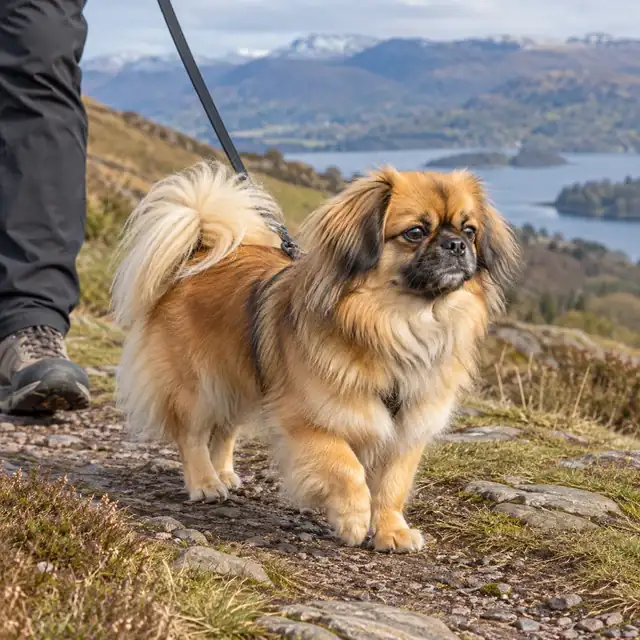
The Tibetan Spaniel is a small (about 25 cm, 4-7 kg) dog with a double silky coat, a mane and a bushy tail. Inquisitive, alert, lively and independent; affectionate with his family, reserved with strangers. Needs reliable protection and soft upbringing.

Suitable for both an apartment and a house. Always on a leash in public and in a strongly fenced yard, because he knows how to run away.
Lively and active; daily walks and games.
Independent and sometimes stubborn. Basic obedience is important and classes are short and fun.
It smells little, so bathing is not needed often. She sheds once a year, usually in the summer, and usually does not need to be cut. The coat is combed regularly, especially the mane and tail.
Suitable for most families, however young children are always supervised.
Gets along well with other dogs and cats after proper introduction.
Estimates help compare breeds. For zooaggression, 5/5 means less tendency to aggression towards dogs. The behavior and health of a particular dog depend on many factors.
High score: affectionate with family, reserved with strangers. Behavior depends on upbringing.
Average score: smart but independent.
Medium-high rating: gets along with dogs and cats.
In the British cohort, the median lifespan of the breed was 15.2 years. Among the described breed risks: dislocation of the patella, progressive retinal atrophy, portosystemic shunt; examination of the parents is confirmed with the veterinarian.
Average score: wool needs regular combing.
Dislocation of the patella is manifested by periodic "jumping" on the hind leg. The degree is determined by the veterinarian, mild cases are only observed. It is better to ask the breeder about similar cases in the pedigree.
Progressive retinal atrophy: an inherited disease that gradually leads to blindness. Before buying, check whether the parents underwent a DNA test and an ophthalmologist examination.
Portosystemic shunt: congenital vascular anomaly of the liver. It can be evidenced by growth retardation, neurological signs, vomiting; ask the breeder for information about ancestors.
Eye diseases: lacrimation and "cherry eye" are described. Regular examinations by a veterinary ophthalmologist; umbilical hernias also occur.