Human orientation
High score: devoted to family. Behavior depends on upbringing.
THE PAW CATALOG
Origin: Bosnia and Herzegovina and Croatia
The breed was recreated from the almost extinct genetically homogeneous local herding dogs of the mountainous regions of both countries. Written references are dated 1067 and 1374. Systematic conservation work began around 1972, and purebred breeding began in 1978. In the FCI classification, it belongs to group 2.
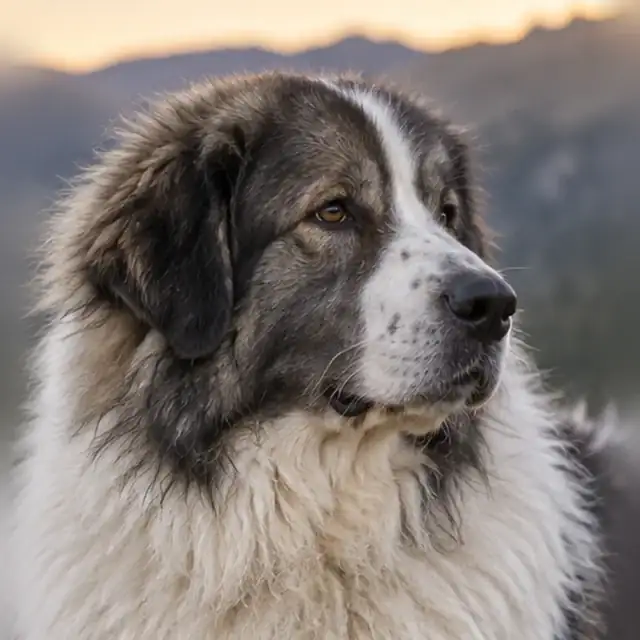
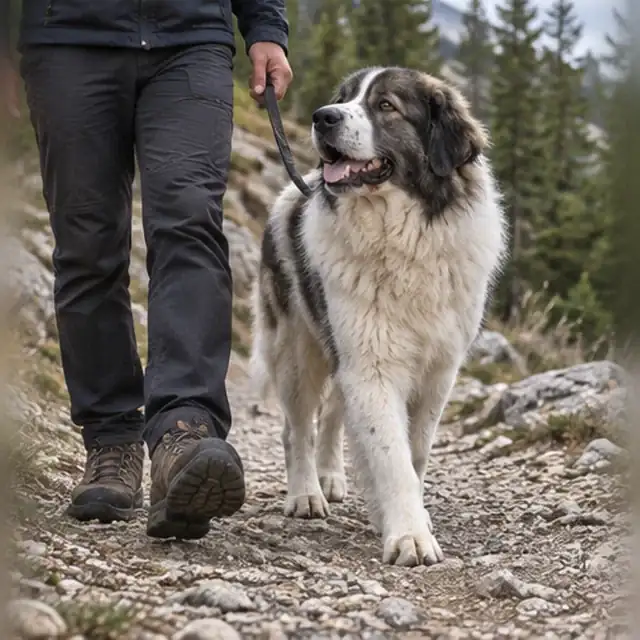
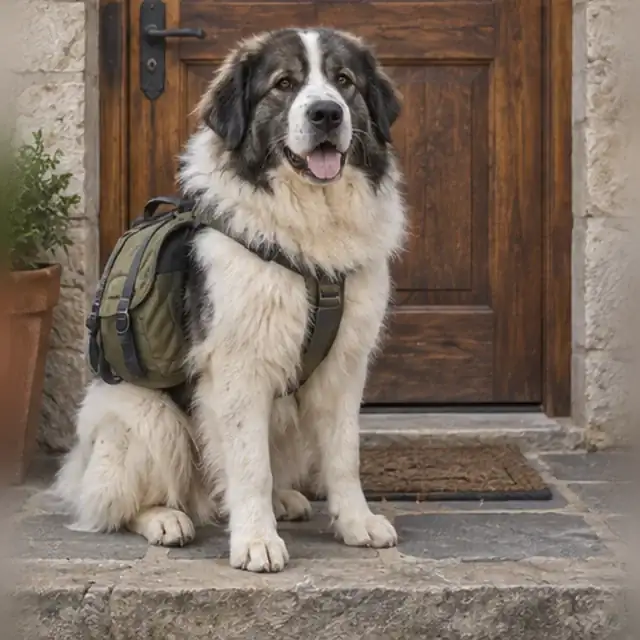
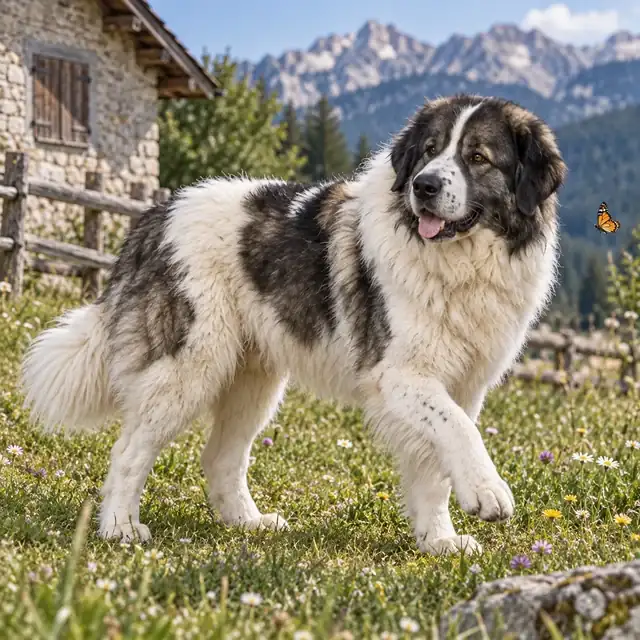
Tornjak is a large (60-70 cm) guard and herding dog from Bosnia and Herzegovina and Croatia, with long, thick fur, a mane, and usually a variegated color. Balanced, friendly, brave, intelligent and dignified; devoted to the family and alert to strangers. Needs space and an experienced owner.

This is a dog for a private area with a strong fence. Protects property, and is calm and affectionate at home.
Moderate: space and regular walks.
Learns quickly, remembers well, can be trained. Early socialization and a calm, consistent owner are required.
Long, thick wool is combed regularly, more often during shedding. In winter, the undercoat is long and woolly. Claws are trimmed, ears are examined.
With loved ones, he is calm and affectionate, but due to his size and guarding instinct, contact with children, especially strangers, is under supervision.
Protector of livestock; can be wary of other people's dogs.
Estimates help compare breeds. For zooaggression, 5/5 means less tendency to aggression towards dogs. The behavior and health of a particular dog depend on many factors.
High score: devoted to family. Behavior depends on upbringing.
Average score: smart but independent.
Medium-low rating: strong guarding instinct.
There is no comparable survival estimate for the breed in the British cohort used. The absence of the mentioned risk does not prove the absence of hereditary diseases.
Low rating: long thick coat and size.
Breed screening: detailed data on hereditary diseases of the "Tornyak" breed are scarce. Ask the breeder for documentary results of examinations of both parents and current recommendations of the club.
Musculoskeletal system: the growth and load of the Tornyak breed dog are adjusted to its age. If lameness or pain occurs, a veterinary examination is required.
Heart and eyes are included in the list of annual examination. The schedule of in-depth checks is coordinated with the veterinarian and the breed club. Ask the breeder what tests the parents have passed.