Human orientation
Average rating: patient and collected. Behavior depends on upbringing.
THE PAW CATALOG
Origin: Japan
It comes from Japan and is named after the area where it was bred. The country has a long tradition of dog fighting since the 14th century. The breed was created as a cross between the local Shikoku and several western breeds: bulldogs, mastiffs, German pointers and Great Danes; later Saint Bernards and Bull Terriers may have been added. It was once used for fighting, now it is kept as a guard. In the FCI classification, it belongs to group 2.
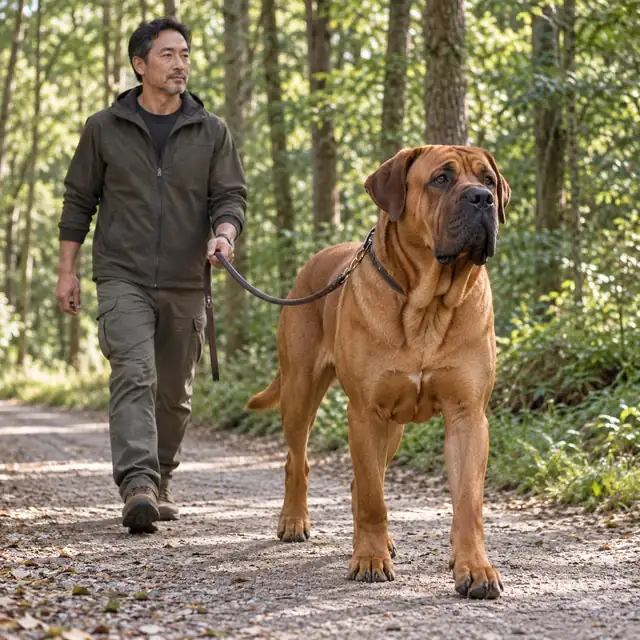
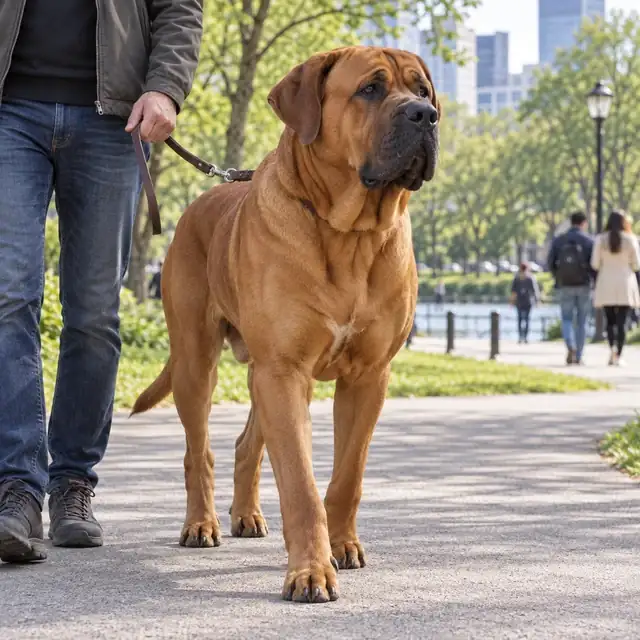
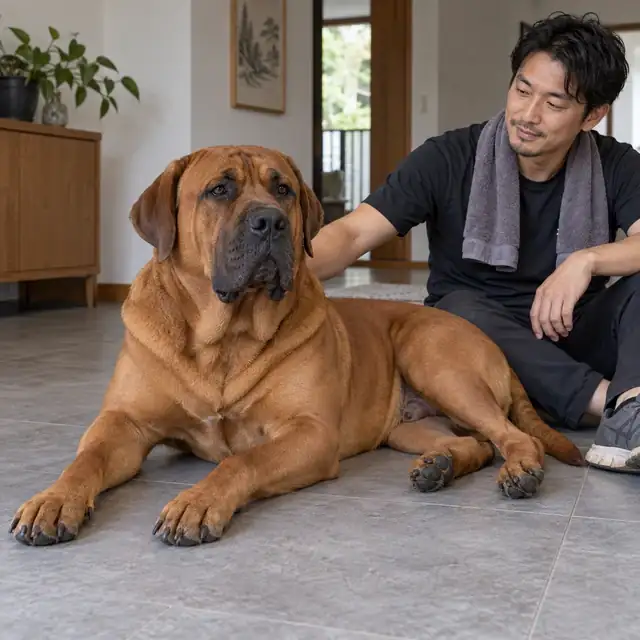
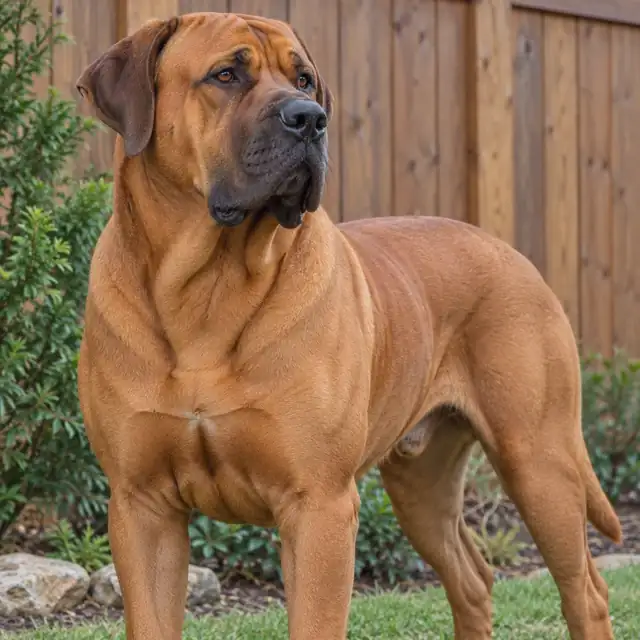
Tosa (Japanese Mastiff) is a very large (at least 55 cm in females and 60 cm in males) powerful dog with short, stiff hair. Patient, collected, brave. This is a difficult breed for experienced owners who need socialization, control and knowledge of local housing rules.

Only suitable for experienced owners with a spacious plot and a strong fence. Many countries have restrictions or bans on these dogs, so check local regulations beforehand.
Moderate: Walks on a strong leash and space.
Early socialization, calm and consistent guidance, and firm but gentle methods are required. Size and strength require safe control.
Short, hard wool is combed once a week. The folds on the face and ears are examined, the claws are trimmed.
Because of their size and strength, contact with children, especially strangers, is strictly supervised.
A fighting background requires caution and thorough socialization with other dogs.
Estimates help compare breeds. For zooaggression, 5/5 means less tendency to aggression towards dogs. The behavior and health of a particular dog depend on many factors.
Average rating: patient and collected. Behavior depends on upbringing.
Average score: Experienced owner required.
Low score: Combat background.
There is no comparable survival estimate for the breed in the British cohort used. The absence of the mentioned risk does not prove the absence of hereditary diseases.
High score: short coat, but the breed needs experience.
Breed Screening: Little is known about hereditary diseases of the Tosa breed. The breeder is asked for documents with the results of examinations of both parents and current recommendations of the club.
Musculoskeletal system: growth, weight and load of the Tosa breed should correspond to its age. Pain, lameness, or reluctance to move require a veterinary examination.
Eyes and heart are checked during routine examinations. The need for individual tests is determined by club recommendations and the dog's age. Ask the breeder what tests the parents have passed.