Human orientation
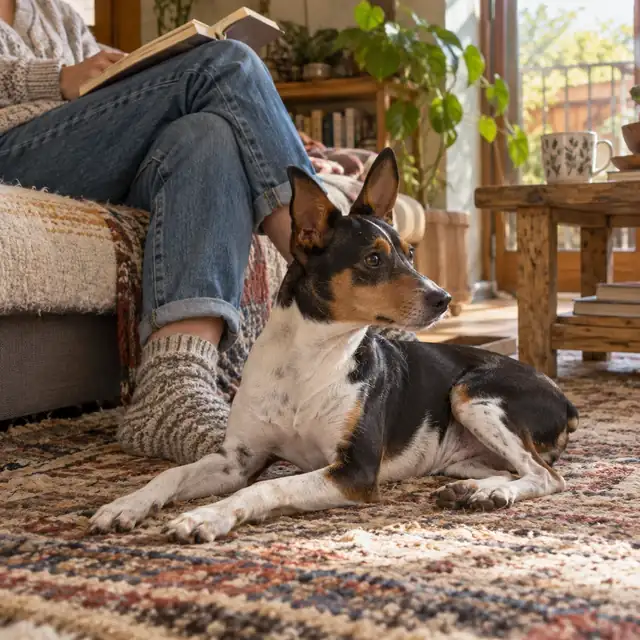
Moderately high rating: The breed is attached to the family, but independent, like most terriers. Actual behavior depends on socialization.
THE PAW CATALOG
Origin: Valencia, Spain
The breed originated in Valencia, Spain, where the dogs caught rats and other rodents. It is believed to have existed since the 16th century, and its origin is uncertain: according to one version, local dogs were crossed with British fox terriers. Dogs are also used to hunt rabbits. The Spanish Kennel Club recognized the breed in 2004 and the FCI provisionally accepted it in 2022. Has previous FCI recognition.
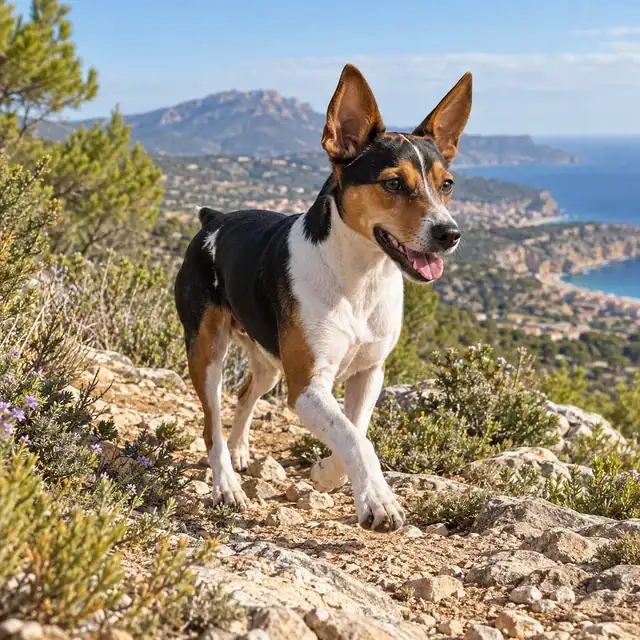
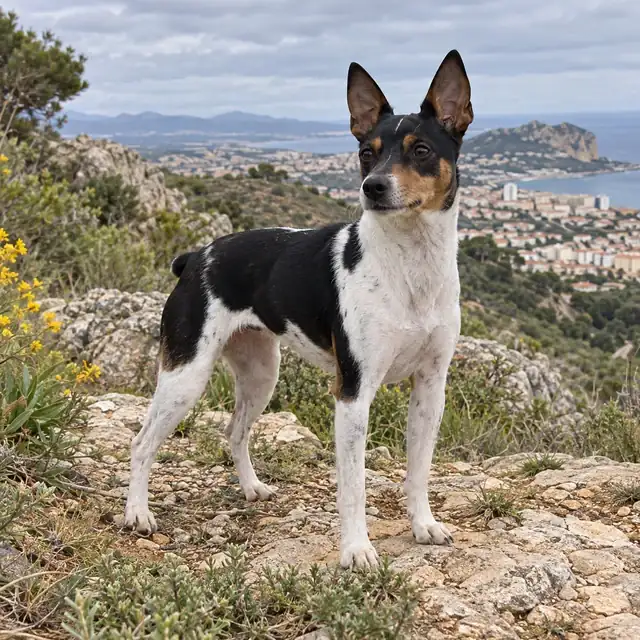
Valencian terrier (gos rate valencia) is a small tailless terrier with short hair, traditionally a rat hunter. Lively, devoted and hardworking. Needs daily movement, games and control over the hunting instinct.

Suitable for apartment and family life, if there are daily walks and games. The weight is 4-8 kg, so careful handling is required. The hunting instinct prompts to chase rodents and small animals.
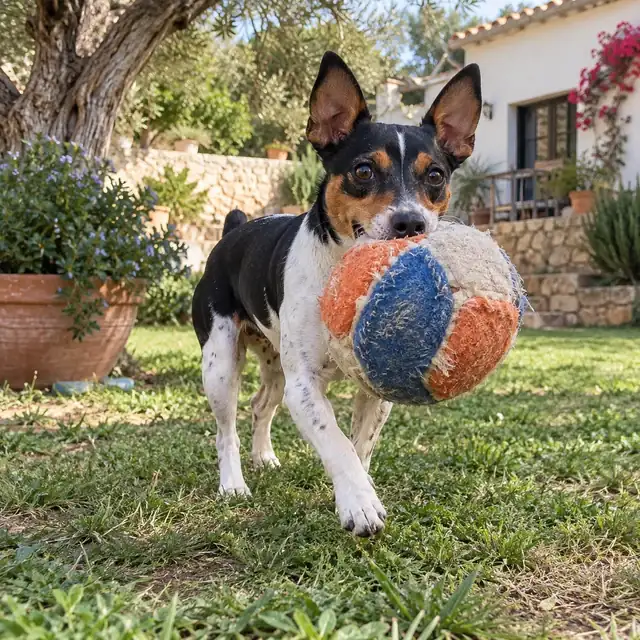
A healthy adult dog needs daily walks, games and mental challenges. Without it, he finds entertainment himself. The load of puppies and elderly dogs is adjusted with the veterinarian.
Smart and hardworking, but independent, like most terriers. A variety of short activities, treats and games are available. The call-up is practiced early.
Short (up to 2 cm) wool is combed approximately once a week. They bathe as needed. Claws are regularly trimmed, ears and teeth are cleaned.
Due to its small size, it is better suited to a family with older children who know how to handle the dog carefully. An adult monitors the contact.
The hunting instinct is strong, so rodents, rabbits and other small animals can be perceived as prey. Early socialization is required with dogs.
Estimates help compare breeds. For zooaggression, 5/5 means less tendency to aggression towards dogs. The behavior and health of a particular dog depend on many factors.
Moderately high rating: The breed is attached to the family, but independent, like most terriers. Actual behavior depends on socialization.
The rating is average, because there is a lack of comparative data on the "Valencian Terrier" breed. Actual behavior depends on upbringing, socialization and experience.
Average score: contact with other dogs and small animals needs assessment due to hunting instinct.
There is no comparative assessment of the survival of the "Valencian Terrier" breed in the British cohort. The absence of said risk does not prove the absence of hereditary diseases, so screening of parents is important.
High rating: caring for the coat of the "Valencian Terrier" breed is reduced to weekly combing and basic procedures.
Breed screening: detailed data on hereditary diseases of the "Valencian Terrier" breed is scarce. Ask the breeder for documentary results of examinations of both parents and current recommendations of the club.
Musculoskeletal system: for the "Valencian Terrier" breed, the load is selected according to age and condition. Limping, pain or reluctance to move is a reason to consult a veterinarian.
A preventive examination of the Valencian Terrier breed includes an evaluation of the eyes, heart and ears. The frequency of special inspections is determined by the recommendations of the club and the veterinarian.