Human orientation
He is strongly attached to his family and the place where he lives.
THE PAW CATALOG
Origin: Italy
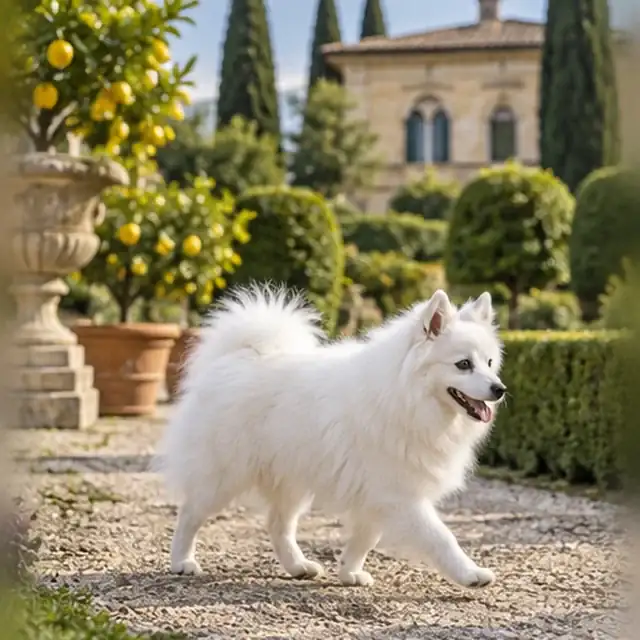
Descended from the European Spitz, which lived in Central Europe since the Bronze Age, it is a relative, not a descendant, of the German Spitz. The Italians bred it a long time ago: it was valued by both aristocrats and ordinary people for its vigilance and protection. Depicted in Vittore Carpaccio's painting The Vision of Saint Augustine from 1502 and, according to legend, belonged to Michelangelo. In the 18th century, he accompanied coachmen in Tuscany and Lazio, loudly announcing strangers. The standard was written in 1913. In the 20th century, the breed declined, white dogs appeared in 1968, and it was registered again in 1972.
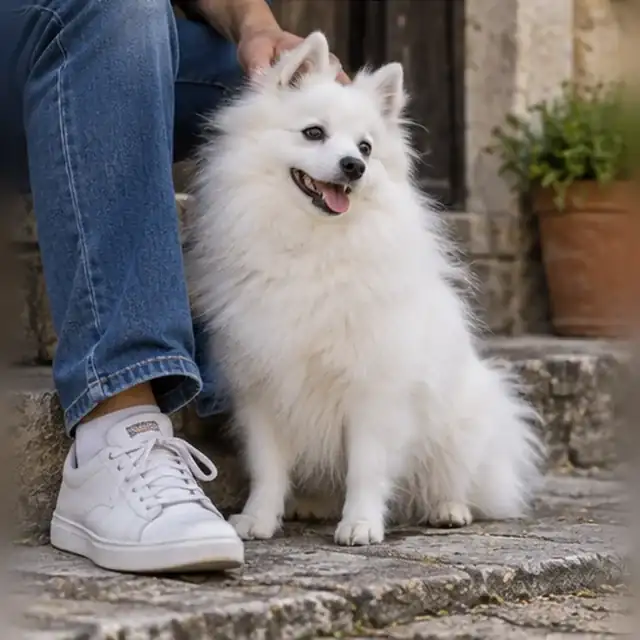
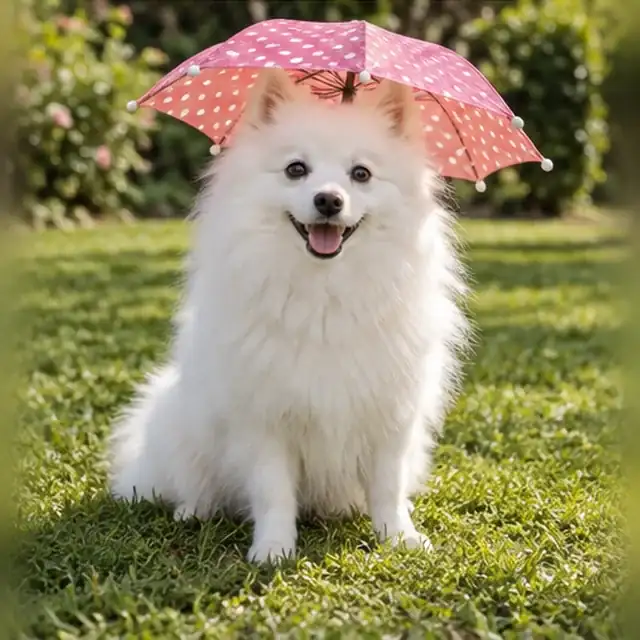
The Italian Volpino is a small (27-30 cm in males, 25-28 cm in females) Spitz with very long, thick, straight hair. He is strongly attached to his family and the place where he lives. Lively, playful and boisterous. Created as a watchman and companion, loudly announces strangers. Suitable for families who appreciate a loud and alert friend.

Well suited for living in an apartment with daily walks. Likes to be close to a person. Prone to barking, so they work on it from an early age.
Moderate Daily walks and games. Happy to play at home.
Lively and smart, but needs consistency. Early socialization helps reduce hypervigilance. Classes are short, with treats.
Very long thick wool is combed several times a week, more often during shedding. They bathe as needed. Eyes, ears and teeth are examined regularly.
Playful and gentle, usually gets along well with children. Due to the small size, children and the dog must be supervised by an adult.
Generally friendly, especially during early socialization. Vigilance can be manifested by barking at other animals.
Estimates help compare breeds. For zooaggression, 5/5 means less tendency to aggression towards dogs. The behavior and health of a particular dog depend on many factors.
He is strongly attached to his family and the place where he lives.
Clever, but needs consistency.
In general, friendly, inclined to announce loudly about strangers.
There is no comparable survival estimate for the breed in the British cohort used. Among the described breed risks: dislocation of the lens; examination of the parents is confirmed with the veterinarian.
Long thick wool requires regular brushing.
Dislocation of the lens: Displacement of the lens inside the eye is manifested by pain, redness, cloudiness and squinting. Immediate help of a veterinary ophthalmologist is required. The results of the genetic test and eye examinations are requested from the parents.