Human orientation
High score: the breed is gentle, attached to the family, eager to please. Behavior depends on socialization.
THE PAW CATALOG
Origin: Great Britain
One of the oldest breeds of hunting dogs, probably formed in Wales as early as the 13th century. The name "springer" is related to the way it works: the dog lifts the game from the shelter. Nowadays, he is kept both as a hunting assistant and as a family companion.
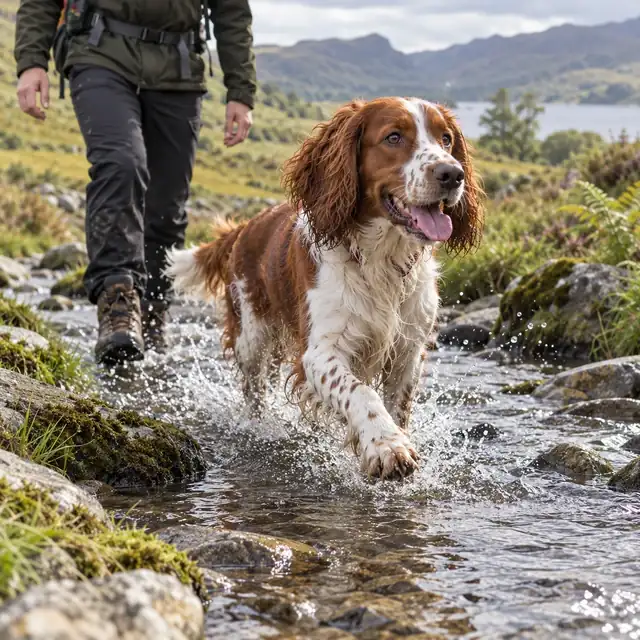
The Welsh Springer Spaniel is a compact red and white hunting spaniel with a moderately long coat. The height of males is about 48 cm, females about 46 cm. Gentle, friendly and cheerful, but with the endurance of a working dog. Needs an active home, early training and regular ear care.
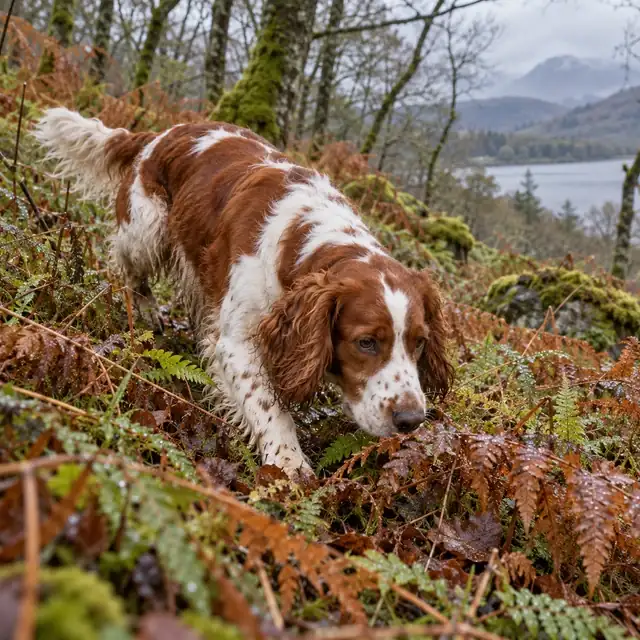
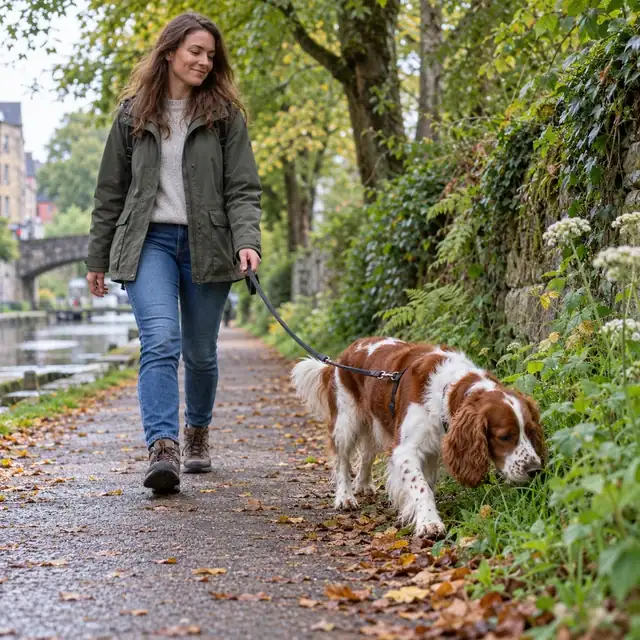
Suitable for active families who have time for daily walks and activities. Less noisy than some other spaniels, but rest without stress is difficult for him. Strangers can be wary, but not timid.
A hardy and energetic dog that needs to move every day to be happy. Suitable for sports and scent hunting. Boredom leads to unwanted behavior.
Intelligent, seeks to please, sometimes stubbornly shows independence. Education and socialization begin at an early age. Shows well in obedience, fetch, agility, rail and sniff work.
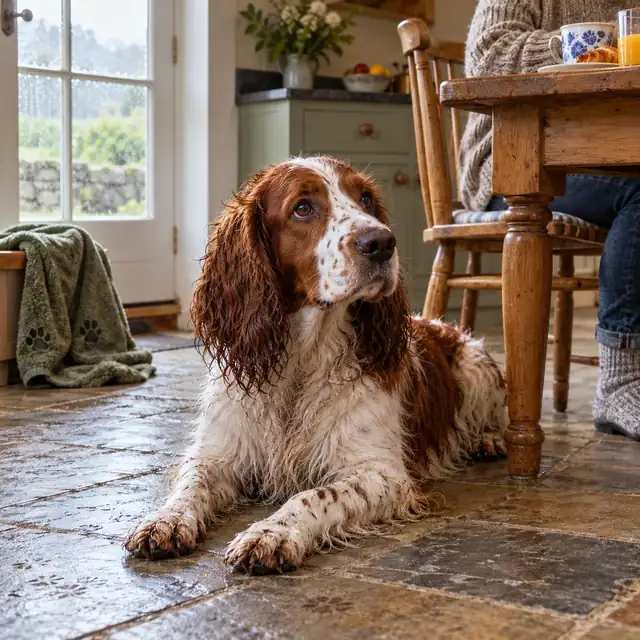
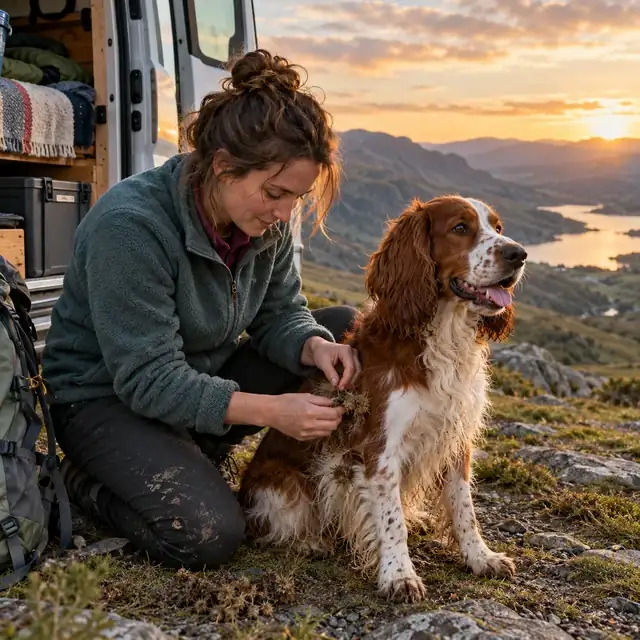
The coat is combed and combed once or twice a week to prevent shedding. Ears are cleaned regularly, because they are prone to infections. Bathing as needed.
Good-natured and cheerful, usually gets along well with children. Energy needs an outlet, so games in the fresh air become a favorite pastime, and it is worth watching over the kids simply because of the dog's mobility.
Usually peaceful with dogs. The hunting instinct is aimed at birds and small animals, so decorative birds and rodents are kept separately.
Estimates help compare breeds. For zooaggression, 5/5 means less tendency to aggression towards dogs. The behavior and health of a particular dog depend on many factors.
High score: the breed is gentle, attached to the family, eager to please. Behavior depends on socialization.
High score: quickly masters commands, and various tasks do not let you get bored.
Medium-high rating: usually gets along with dogs, shows a hunting interest in birds and small animals.
In the British cohort, the median lifespan of the breed was 14.0 years. Among the described breed risks: elbow joint dysplasia, thyroid gland dysfunction, autoimmune diseases; examination of the parents is confirmed with the veterinarian.
Medium-high grade: the coat needs brushing once or twice a week, and the ears need regular attention.
Dysplasia of the elbow joints is possible in the breed. Before buying a puppy, they ask for the results of the parents' examination.
Dysfunction of the thyroid gland is manifested by weight gain, lethargy and changes in the skin. Diagnosed by a veterinarian based on tests.
Autoimmune diseases are mentioned as possible. Persistent skin or general symptoms without an apparent cause require evaluation.
Eye diseases include hereditary cataracts and goniodysgenesis, which can lead to glaucoma. The eyes of pedigree dogs are specially examined.