Human orientation
High score: the breed is attached to the family. At the same time, independent character depends on upbringing.
THE PAW CATALOG
Origin: Great Britain
It originates from the 18th century in North Wales, where it was used to hunt fox, badger and rodents. It appeared late at exhibitions, and was registered as a breed in the 19th century. In Great Britain, it belongs to the list of breeds in need of support: only about three hundred puppies are registered each year.
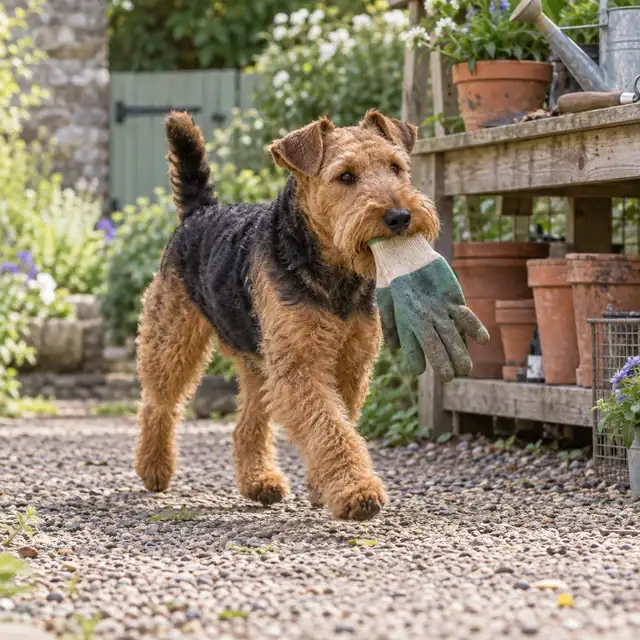
The Welsh terrier is a compact, square-shaped terrier with a stiff black-tan coat, a beard and a "brick" face. Height up to 39 cm, weight about 9-10 kg. Cheerful, brave, independent. It needs daily activity, consistent education and regular trimming.
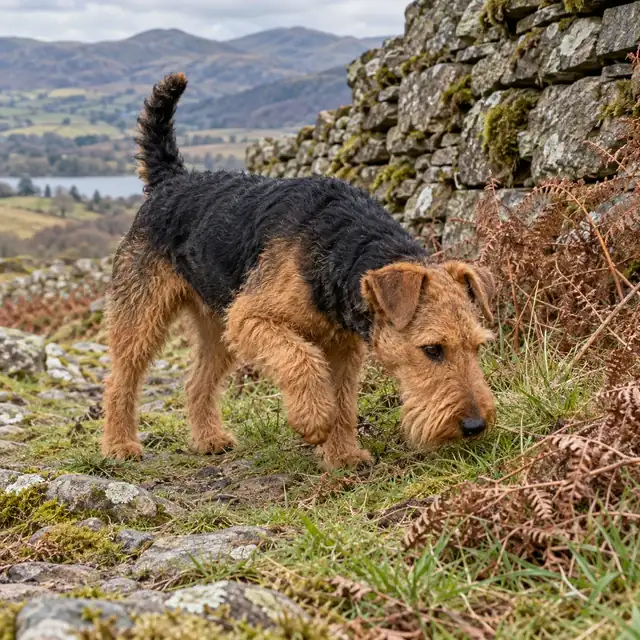
It adapts to life in the city and outside the city, if it walks every day. Likes to dig and barks loudly when bored. Not the best choice for a quiet apartment without activity.
Daily active walks, games and mental exercise are necessary, otherwise digging and barking appear. An adult dog willingly runs and hunts for toys.
Independent and determined, therefore, learning is a long-term business that requires consistent reinforcement. Short fun sessions give better results than long repetitions. Early exposure to people and dogs reduces stubbornness.
The hard coat is regularly combed and groomed from time to time, removing dead hair. Without care, the coat turns pale and thins. Nails can be fragile, so they are checked.
Usually gets along well with children, but can pull clothes and knock the baby off his feet. Games with young children are supervised.
The terrier character can manifest itself in disputes with other dogs. Small animals are perceived as prey. Early acquaintance makes coexistence easier.
Estimates help compare breeds. For zooaggression, 5/5 means less tendency to aggression towards dogs. The behavior and health of a particular dog depend on many factors.
High score: the breed is attached to the family. At the same time, independent character depends on upbringing.
High score: capable, but determination and independence require long-term consistent work.
Average score: arguments are possible with dogs, and the attitude towards small animals is evaluated separately due to the hunting instinct.
In the British cohort, the median lifespan of the breed was 13.8 years. Among the described breed risks: hip dysplasia; examination of the parents is confirmed with the veterinarian.
Medium-Low Rating: A stiff coat needs regular trimming and will deteriorate without it.
Hip dysplasia is listed among the possible risks. Before the purchase, they ask for the results of the examination of both parents.