Human orientation
High Score: The West Highlander is very close to the family. The behavior of a particular dog depends on socialization.
THE PAW CATALOG
Origin: Great Britain
Originates from Argyllshire in Scotland, where it was bred to hunt foxes in rocky terrain. The creation of the breed is associated with Colonel Edward Donald Malcolm. The white color was fixed so that hunters would not confuse a dog with a fox. Initially, the breed was called "Poltalloch Terrier".
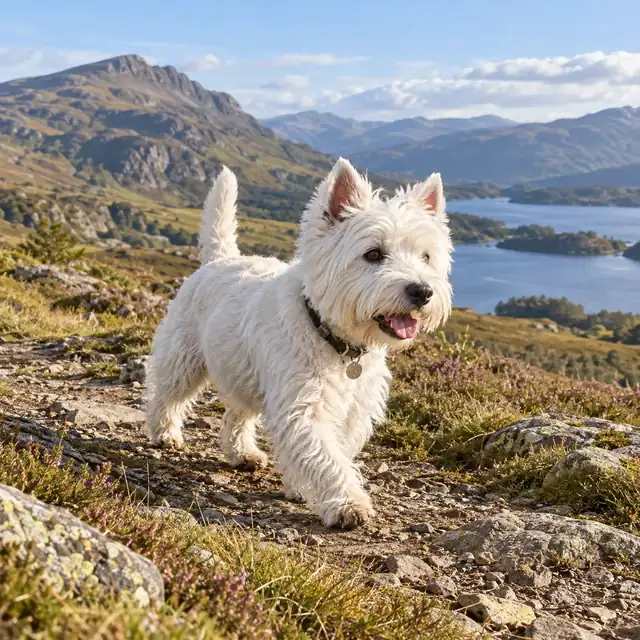
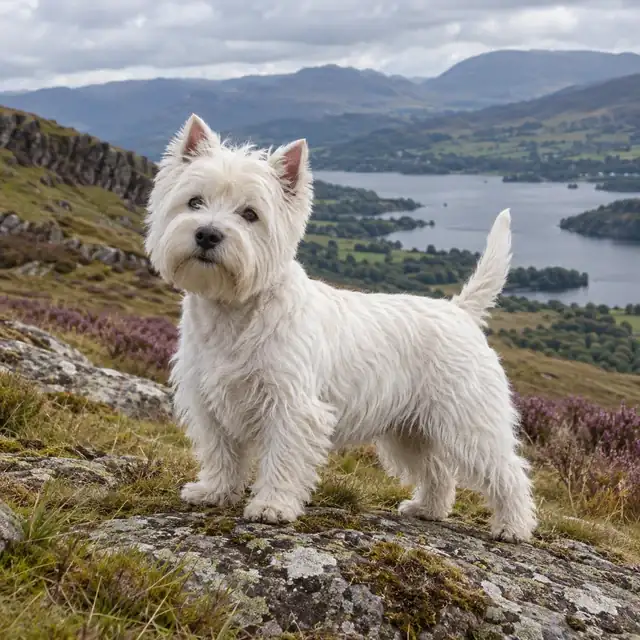
The West Highland White Terrier is a small white terrier with a stiff coat and a lively expression on its face. Weight less than 11 kg, height about 28 cm. Inquisitive, brave, self-confident and attached to the family. Requires regular trimming, activity and skin control.

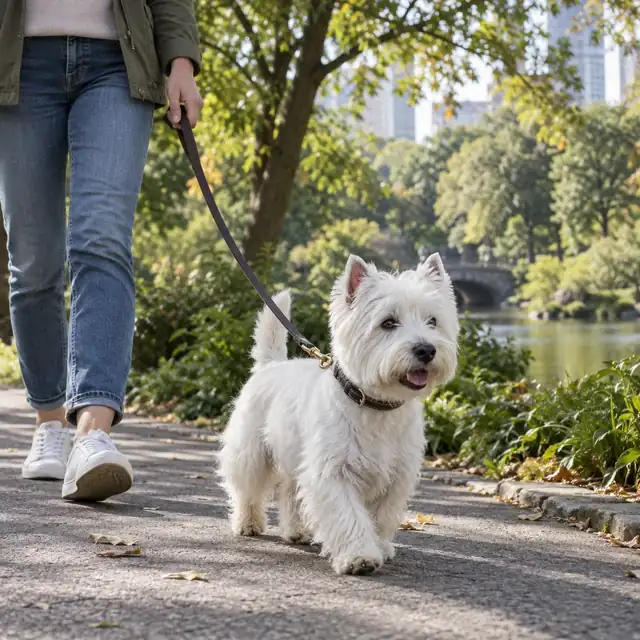
Suitable for an apartment and a house if he walks and plays every day. Inquisitive and a little mischievous, likes to be in the center of events. Barks less than many other terriers.
About 20 minutes of activity a day plus games and toys for the mind is enough. He is energetic and in a cramped apartment without movement he will soon start looking for entertainment on his own.
Responds well to consistent training. A useful puppy school to prevent him from "taking the lead". Humor and rewards work better than pressure.
The coat is hard, with a soft undercoat. To preserve its rigidity, it is plucked by hand, although domestic dogs can be sheared. Bathing is often not advised, because the wool becomes soft. Regular brushing helps to stay clean.
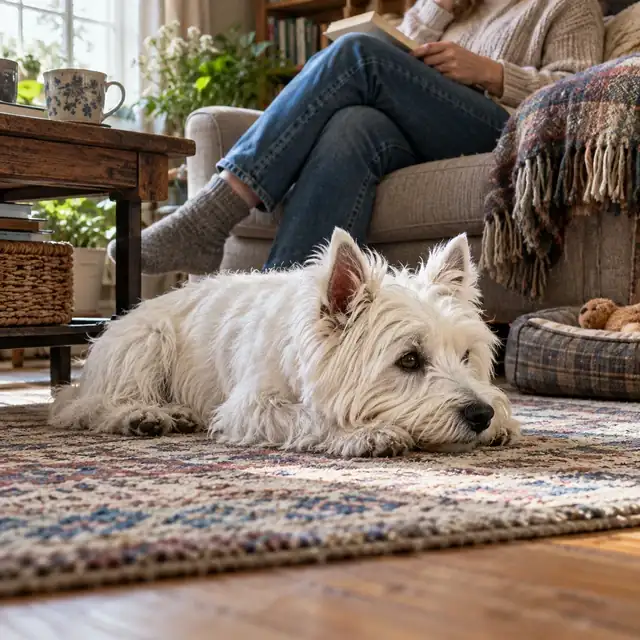
He is attached to his family and generally gets along well with children. Due to the terrier's small size and tenacity, games with small children are supervised.
Gets along with other dogs if socialized, but the terrier character can show. Small rodents are prey for him, so rodents are kept separately.
Estimates help compare breeds. For zooaggression, 5/5 means less tendency to aggression towards dogs. The behavior and health of a particular dog depend on many factors.
High Score: The West Highlander is very close to the family. The behavior of a particular dog depends on socialization.
Average score: responds well to consistent training, but independence requires a clear regimen.
Average score: generally normal with dogs, but the hunting instinct for rodents needs to be controlled.
In the British cohort, the median lifespan of the breed was 13.4 years. Among the described breed risks: dislocation of the patella, heart disease; Legg-Calve-Perthes disease and skin problems are also mentioned; examination of the parents is confirmed with the veterinarian.
Medium-Low Rating: Stiff white coat needs plucking or clipping, and skin needs attention.
Dislocation of the patella is a well-known problem of small breeds. Signs: periodic jumping on the hind paw. The veterinarian evaluates the degree.
Heart disease is possible in the breed. The heart is listened to during preventive examinations. Shortness of breath or weakness requires immediate examination.