Human orientation
Average Score: Attached to people, but independent like most hunting hounds. Expression depends on upbringing.
THE PAW CATALOG
Origin: Germany
A German breed, a smaller version of the German breed. It was bred in the Westphalian forests for tracking wounded ungulates and trail work, later it was recognized as a separate variety. Nowadays, it is most often a working dog of hunters, so it has more search qualities than decorativeness.
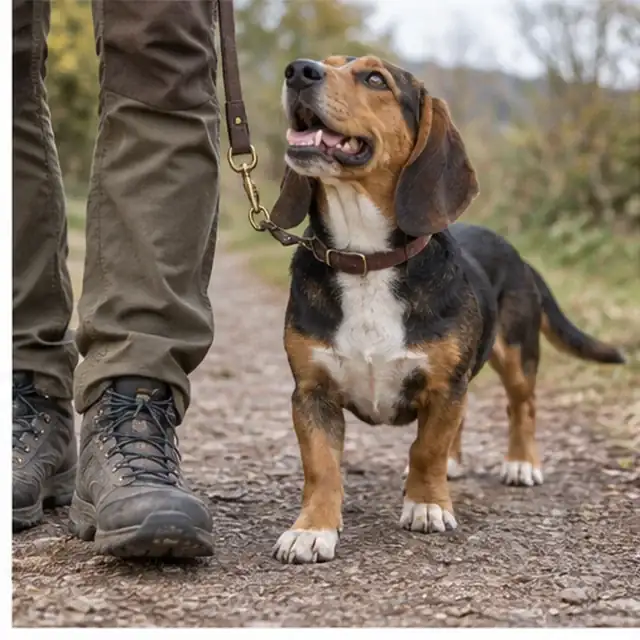
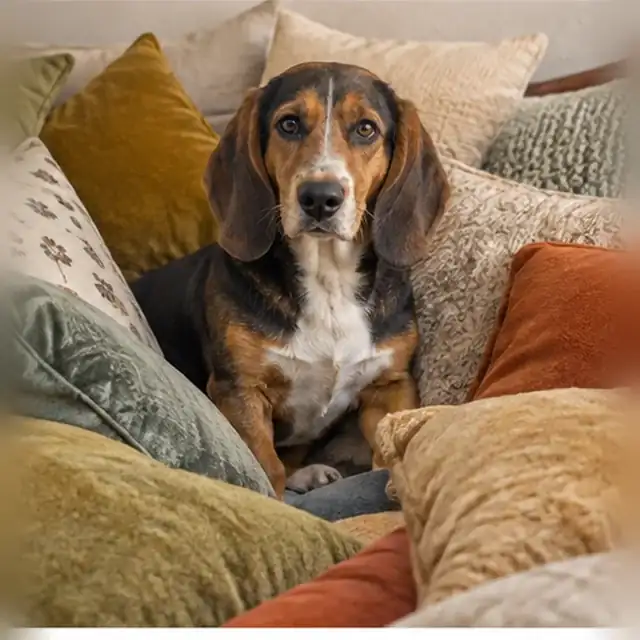
The Westphalian Dachshund is a short, sturdy German Hound (30-38 cm) with a short smooth coat. A friendly, smart and hardworking hunter that perfectly tracks the trail of wounded ungulates. Needs long walks, olfactory work and consistent, patient upbringing.

Can live in an apartment only if daily long walks outside. Attached to people, but independent. It is not always compatible with small children, so it is good for families with babies to consider the choice.
High: at least an hour and a half of walking every day plus active play and trail work. Without it, energy flows into barking and running away. It is better not to start running after the bike until the growth is complete.
Eager to learn, but the hunter's independence requires consistency and patience. Basic commands, recall and leaving the trail are practiced from puppyhood. Sniffing games and finding tracks help to waste intelligence.
Short dense wool requires minimal maintenance: regular combing is enough. Due to the structure of the ears, they are regularly examined in order to detect an infection in time. Claws are trimmed, and teeth are brushed according to the schedule.
Friendly and attached to the family, but hunting energy and independence make it less suitable for very young children. He gets along better with schoolchildren, especially if there are joint walks.
As a hound, it has an instinct to chase prey, so small animals and cats outside the home are risky. With dogs, it is usually peaceful with early socialization.
Estimates help compare breeds. For zooaggression, 5/5 means less tendency to aggression towards dogs. The behavior and health of a particular dog depend on many factors.
Average Score: Attached to people, but independent like most hunting hounds. Expression depends on upbringing.
Average score: Smart, but hunting independence requires patience and consistency.
Average score: gets along with dogs, and the attitude towards small animals is determined by the hunting instinct.
The Westphalian Dachshund survival rate in the British cohort is not comparable. The absence of the described risks does not guarantee the absence of hereditary diseases, so the breeder is asked for the results of the parents' examinations.
Average rating: Short coat is easy, but ears and joints need attention.
Breed screening: detailed data on hereditary diseases of the Westphalian Dachshund breed are scarce. Ask the breeder for documentary results of examinations of both parents and current recommendations of the club.
Locomotor system: for the Westphalian dachshund breed, the load is selected according to age and condition. Limping, pain or reluctance to move is a reason to consult a veterinarian.
The preventive examination for the Westphalian Dachshund covers the eyes, heart and ears; the breed club and veterinarian will tell you how often to do special checks.