Human orientation
Average score: attached to the family, reserved and independent with others. Behavior depends on socialization.
THE PAW CATALOG
Origin: The Netherlands
The breed, which is at least four hundred years old, originates from Friesland in the Netherlands. It is believed to have evolved from a local dog and possibly an extinct old water dog. Once he hunted otters and ferrets, brought waterfowl and guarded the yard. During the Second World War, the breed almost disappeared, but breeders revived it.
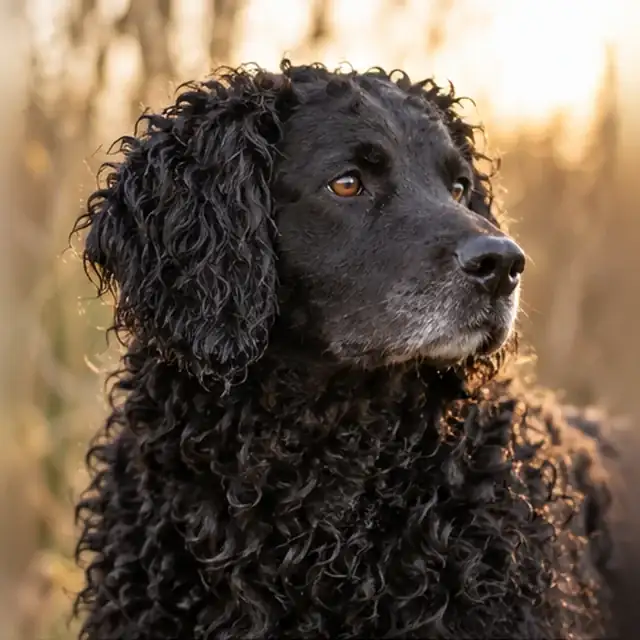
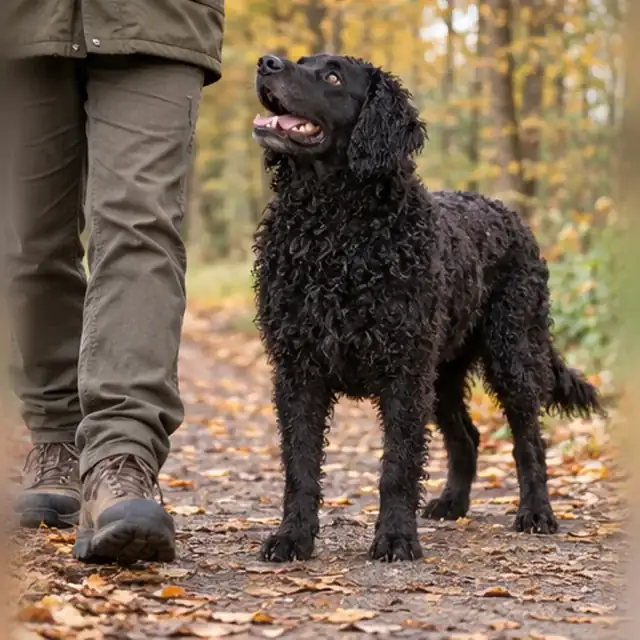
Wetterhun (Friesian water dog) is a medium curly water dog from the northern Netherlands, 55-59 cm tall. Restrained, strong-willed and protective by nature. Needs early, gentle training, socialization and real work in the water and in the field.

He feels best in a house with a yard, not in a cramped apartment. He is warm to his family, reserved to outsiders. The protective instinct is naturally strong, so early socialization is necessary.
Daily active walks, swimming and fetching are required. This is a real hunting dog that brings game from both land and water, so mental work is just as important.
Strong-willed, but not cranky, persistent in completing the task. Sensitive, therefore severity and punishment are harmful. Classes are built on repetition, praise and clear boundaries from puppyhood.
Thick curly hair is combed several times a week. The wool is greasy to the touch and repels water, so frequent bathing is not necessary. Ears are dried after swimming, claws are trimmed.
Socialized, very tolerant of children and loves family life. Adults should ensure that children do not take advantage of his gentleness. He does not always accept unfamiliar children willingly.
Gets along with other dogs after early socialization, although guarding and hunting instincts can be manifested. Small animals are potentially perceived as prey.
Estimates help compare breeds. For zooaggression, 5/5 means less tendency to aggression towards dogs. The behavior and health of a particular dog depend on many factors.
Average score: attached to the family, reserved and independent with others. Behavior depends on socialization.
Average score: strong-willed and sensitive, needs a consistent, gentle approach without harshness.
Average score: gets along with dogs when socialized, but hunting and guarding instincts need control.
There is no comparative assessment of the survival of the "Wetterhun" breed in the British cohort. The absence of said risk does not prove the absence of hereditary diseases, so screening of parents is important.
High rating: The thick undercoat needs brushing several times a week and frequent bathing is not necessary.
Breed Screening: Little is known about hereditary diseases of the Wetterhun breed. The breeder is asked for documents with the results of examinations of both parents and current recommendations of the club.
Musculoskeletal system: the growth and load of the Wetterhun breed dog is coordinated with its age. If lameness or pain occurs, a veterinary examination is required.
During preventive examinations of Wetterhun dogs, the eyes, heart and ears are evaluated. The frequency of additional checks is agreed with the breed club and the veterinarian.