Human orientation
High score: the breed is very devoted to its owner. Actual behavior depends on socialization.
THE PAW CATALOG
Origin: Switzerland
The first dogs of this breed came to Switzerland in the early 1970s, and the FCI fully recognized it in 2001. The word "Swiss" appeared in the name because the Swiss club asked for recognition, not because the breed originated in Switzerland.
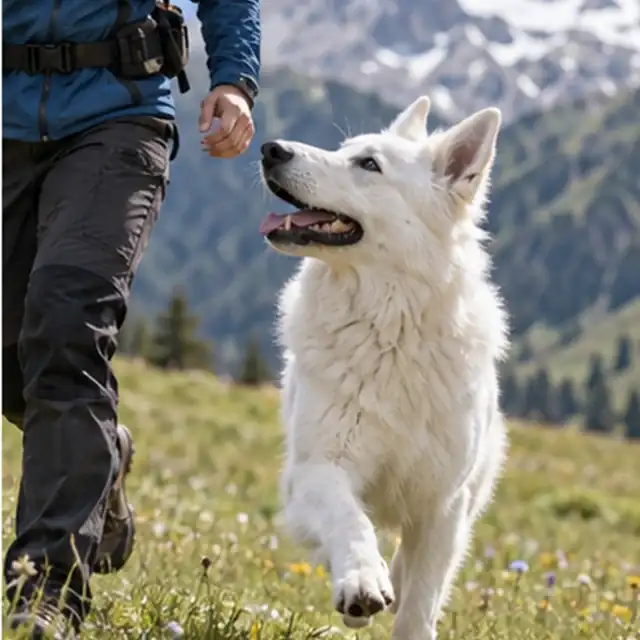
The White Swiss Shepherd is a medium-sized white sheepdog with a double coat. Cheerful, balanced and loyal to the owner. Needs early socialization, consistent education and daily movement.

Suitable for active people and families who have time for walks. Very attached to people, does not like loneliness. Without classes, he gets bored and can dig big holes.
A healthy adult dog needs daily active exercises and mental tasks. She is bored without them. The load of puppies and elderly dogs is adjusted with the veterinarian.
Active and smart, but can be stubborn and mischievous. Early socialization and firm, consistent leadership are needed. Obedience courses are recommended.
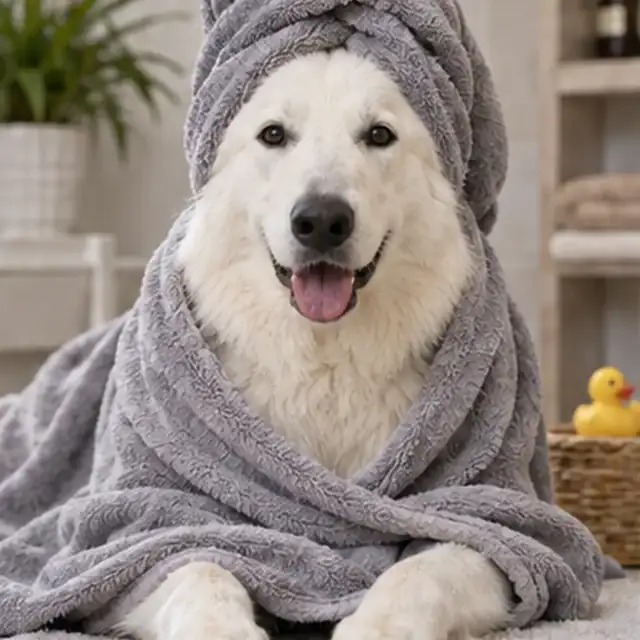
The thick double coat is combed regularly to remove dead hair. Bathing about once a month helps prevent whiplash. Claws are regularly trimmed, ears and teeth are cleaned.
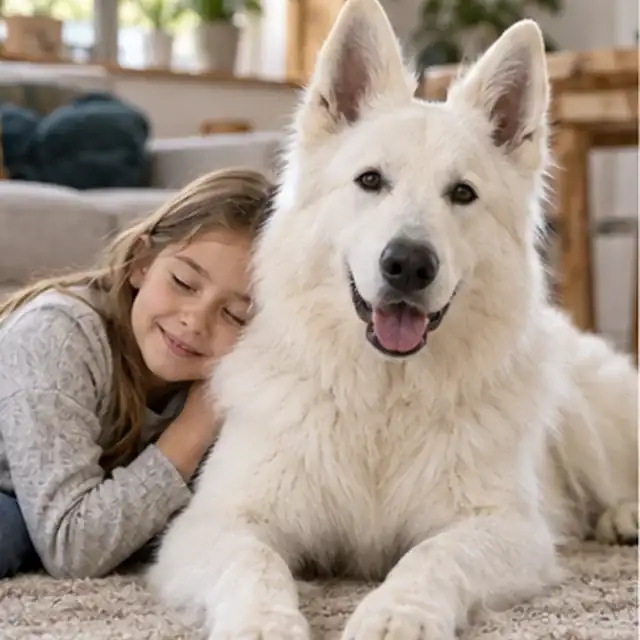
Friendly and loyal, but children should not be left alone with the dog. An adult monitors the contact, and the rules of a calm game are explained to the child.
Early socialization helps maintain peaceful relationships with other dogs and animals. The contact is evaluated individually.
Estimates help compare breeds. For zooaggression, 5/5 means less tendency to aggression towards dogs. The behavior and health of a particular dog depend on many factors.
High score: the breed is very devoted to its owner. Actual behavior depends on socialization.
Neutral assessment: there is no sufficient comparative data on the "White Swiss Shepherd" breed. The behavior of a particular dog depends on socialization and experience.
Average score: contact with other dogs and animals needs assessment and early socialization.
The British cohort does not provide a comparable survival estimate for the White Swiss Shepherd breed. The absence of the mentioned risks does not prove the absence of hereditary diseases, and parents should be checked in any case.
Medium-high grade: The thick double coat is combed regularly, especially during the shedding season.
Hip dysplasia is mentioned as a possible risk. The results of the parents' assessment should be asked from the breeder, and the need for examinations is determined by the veterinarian.
Elbow dysplasia is mentioned as a possible risk. Signs: lameness at a young age. Ask the breeder what tests the parents undergo.