Human orientation
High Score: The Fox Terrier is lively and eager to be at the center of family events, although independent. Behavior depends on upbringing.
THE PAW CATALOG
Origin: Great Britain
An ancient breed that has been used for hunting foxes and catching rats since the 19th century. Bred for difficult terrain: the wire wool is better able to withstand harsh conditions than the smooth one of the smooth-coated relatives.
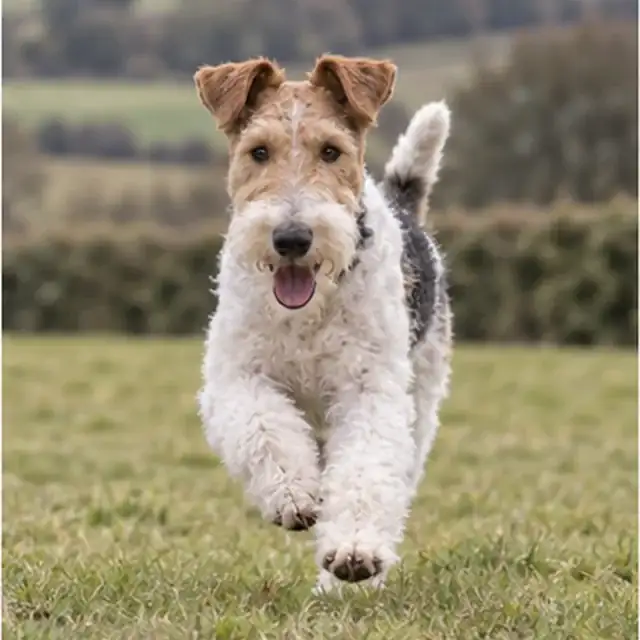
The Fox Terrier is one of the oldest terrier breeds: a square-proportioned dog weighing 7-9 kg with a dense, wiry coat, mostly white with black or red markings. Energetic, mischievous, independent. Requires firm upbringing from an early age, daily games and regular trimming.

Suitable for active owners, ready for daily games and adventures. He digs and barks out of boredom, so he needs to be busy and have a strong fence. Independent and strong-willed.
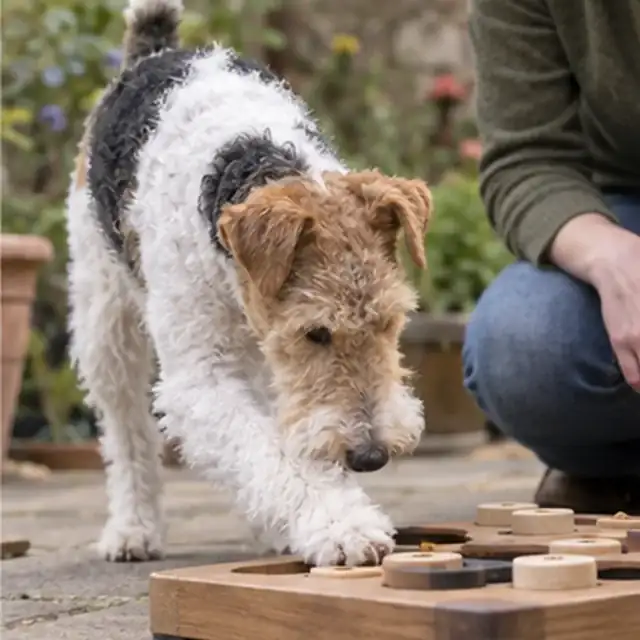
High: daily walks, games and mental tasks. Without movement, he digs, barks and destroys things.
Strong-willed, therefore, he needs firm upbringing from an early age. Classes should be fast, varied and fun. Boredom makes him mischievous.
The wool is combed two to three times a week, trimming is done approximately once every three months, bathed only when necessary. Ears and teeth are examined regularly.
A lively companion for active children, but with young children supervision is required due to energy and sudden movements.
A hunting background means a strong interest in rodents and small animals. Dogs can be temperamental, so socialization from an early age is a must.
Estimates help compare breeds. For zooaggression, 5/5 means less tendency to aggression towards dogs. The behavior and health of a particular dog depend on many factors.
High Score: The Fox Terrier is lively and eager to be at the center of family events, although independent. Behavior depends on upbringing.
Medium-high rating: intelligent, but strong-willed, needs firm and varied training.
Average score: disputes with dogs are possible, and the hunting instinct for small animals is strong.
In the British cohort, the median lifespan of the breed was 13.5 years. Among the described breed risks: dysplasia of the hip joints, dislocation of the patella, cataract; examination of the parents is confirmed with the veterinarian.
Moderately low rating: wire wool requires regular brushing and trimming.
Hip dysplasia is listed among the possible risks. They ask for the results of the parents' examinations, and the weight is kept within the norm.
Dislocation of the patella: signs - episodic limping and jumping on the hind leg. The degree is assessed by a veterinarian.
Cataract is a clouding of the lens that can be hereditary. Regular eye examinations help to notice changes in time.
Glaucoma is increased intraocular pressure that threatens vision. Pain, redness and clouding of the eye require immediate examination.
Dislocation of the lens - displacement of the lens, which can lead to secondary glaucoma. The breed is one of those in which this condition has been described, so the eyes of pedigree dogs are checked.