Human orientation
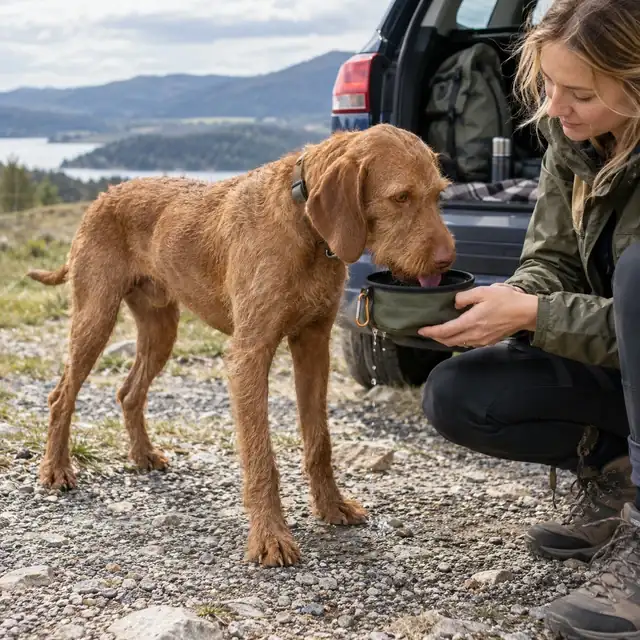
High score: Vyzhla wants to be close to her family. Behavior depends on socialization.
THE PAW CATALOG
Origin: Hungary
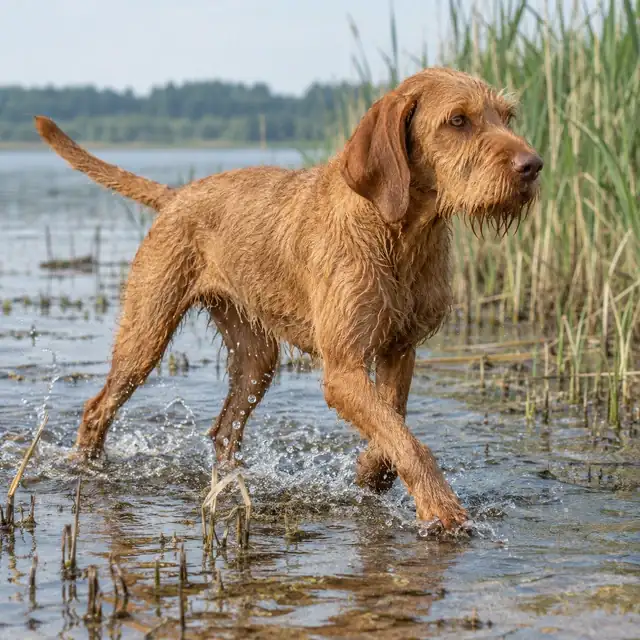
It was bred in the 1930s by crossing the Hungarian short-haired Vizla with the German long-haired Lagavy. The goal was to keep the color and qualities of the hound, but add a coarser coat and a stronger body for colder climates. She works on game on land and in water, abroad she is sometimes used with falcons.
The hard-haired Hungarian Vizla is a medium-sized dog (54-64 cm) with a hard, dense, water-repellent coat of a golden-sand color. Affectionate, energetic and a good student. Needs daily movement, mental tasks and gentle upbringing.

Suitable for an active family that has time for walks and activities every day. She is calmer than a smooth-haired vizhlu, likes to participate in family affairs. Bores without load and destroys things.
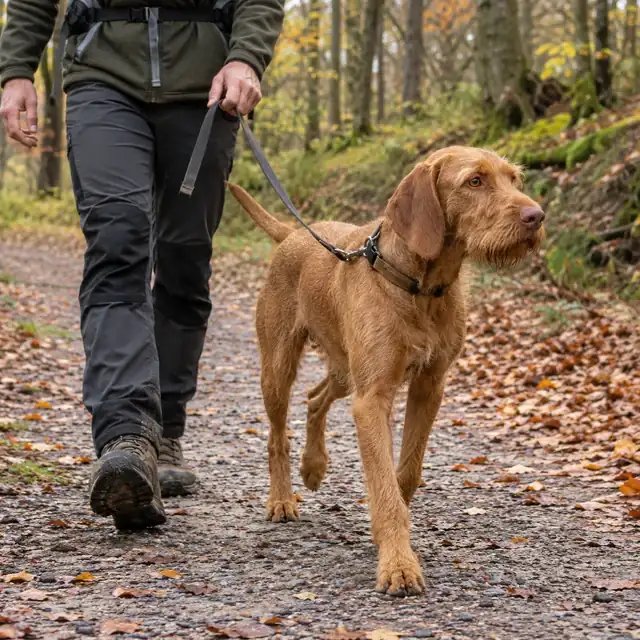
Daily long walks, running, swimming and mental tasks. Aspires to participate in everything that the family does, which not every owner likes.
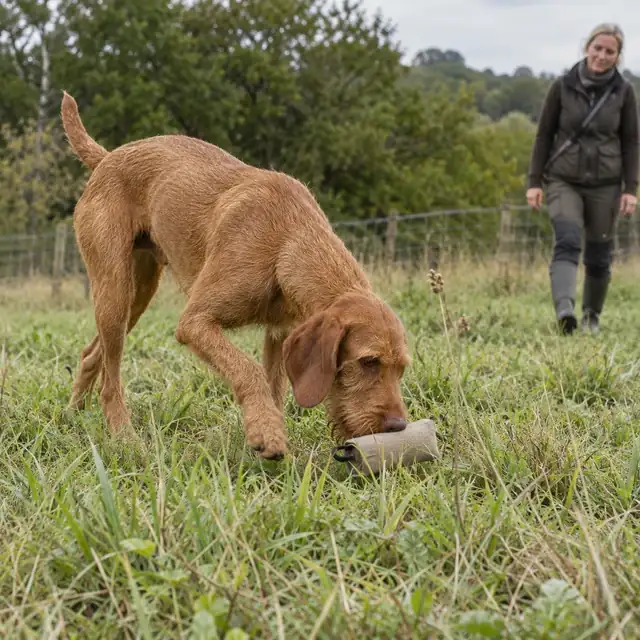
Intelligent and willing to learn, she responds best to positive reinforcement without harsh commands or physical punishment. Fetching, sniffing, obedience and hunting tests are useful.
It depends on the coat: some dogs need minimal brushing, others need regular removal of dead hair to maintain a tough texture. The wool is completely formed over the years.
Affectionate and energetic, usually gets along well with children. Movement and size require supervision when playing with toddlers.
Usually gets along well with other dogs and cats. As a hunting dog, it can be interested in birds and small animals.
Estimates help compare breeds. For zooaggression, 5/5 means less tendency to aggression towards dogs. The behavior and health of a particular dog depend on many factors.
High score: Vyzhla wants to be close to her family. Behavior depends on socialization.
High Score: Willing to learn, especially with positive reinforcement.
Average score: usually gets along with dogs and cats, but hunting instinct for birds needs control.
There is no comparable survival estimate for the breed in the British cohort used. Among the described breed risks: hip dysplasia, progressive retinal atrophy, cataracts; epilepsy and hypothyroidism are also mentioned; examination of the parents is confirmed with the veterinarian.
Medium-High Rating: Grooming depends on coat, sometimes requires regular dead hair removal.
Hip dysplasia occurs in breeds. They ask for the results of the parents' examinations, and the weight is kept within the norm.
Progressive retinal atrophy is a hereditary eye disease that gradually reduces vision. Pedigree dogs are examined according to the recommendations of the club.
Cataract is clouding of the lens, which can be hereditary. An eye examination by a veterinary ophthalmologist helps to detect changes in time.
Glaucoma is increased intraocular pressure that threatens vision. Redness, pain in the eye, and cloudiness require immediate examination.
Urinary stone disease: the breed is prone to urate stones. Adequate water intake and a balanced diet reduce the risk, and difficulty urinating requires immediate attention.