Human orientation
High score: devoted to family, wary of strangers. Behavior depends on socialization.
THE PAW CATALOG
Origin: Mexico
Ceramic statuettes of hairless dogs have been found in ancient burials in Western Mexico, and the remains of similar dogs have been found at Mayan and Toltec sites. Spanish chronicles of the 16th century say that such dogs were served at banquets. The name comes from the name of the Aztec god Xolotl and the Nahuatl word for "dog". Xoloitzquintli began appearing at Mexican shows in the late 1940s. An expedition in 1954 found ten strong dogs, which became the basis of the reproduction of the breed. Mexico recognized it in 1956, from where the recognition spread to the FCI countries.
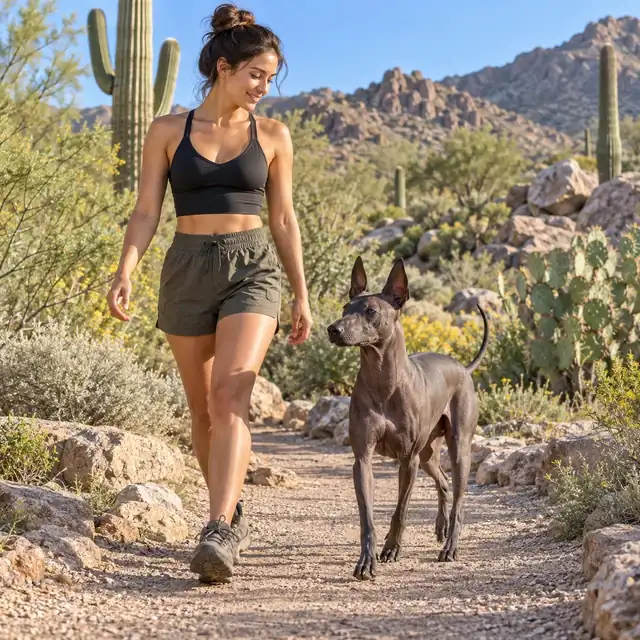
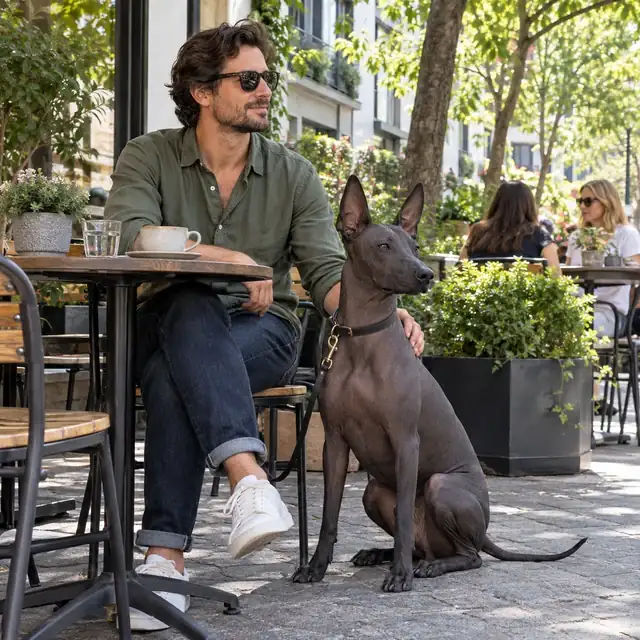
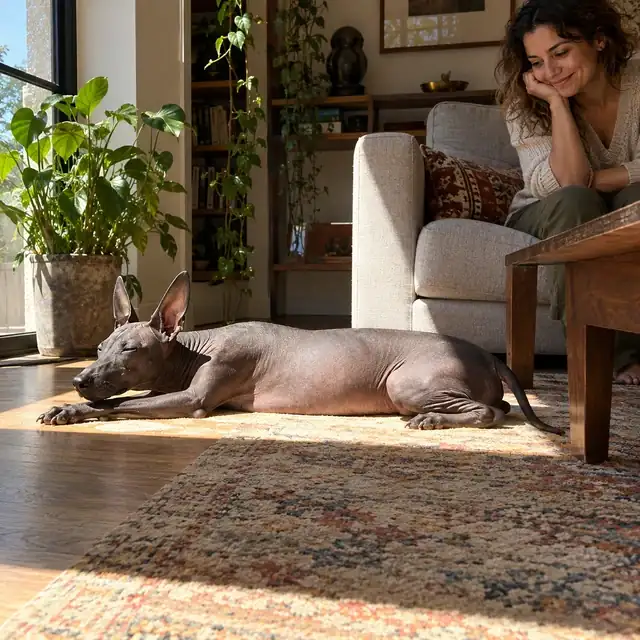
The Xoloitzquintli is an ancient Mexican breed of three sizes (standard, medium, mini), found in hairless and coated varieties. Calm, attentive and devoted to his family, wary of strangers. Needs warmth, skin care and sun protection.

It is best to keep it indoors, because a hairless dog is not adapted to cold streets. It is also suitable for an apartment during daily walks.
Moderate: daily walks and games. In winter, a hairless dog needs clothes, in summer - protection from the sun.
Calm and attentive, so training takes place without haste. Short sessions with rewards and early socialization are suitable.
Hairless dogs are regularly bathed, treated and protected from the sun. Excessive bathing and moisturizing wash away natural oils and clog pores, so stick to moderation. The teeth are specially examined.
He is usually gentle with his family, but wary of other people's children. Supervised games.
Generally gets along with dogs during socialization. Small animals need control.
Estimates help compare breeds. For zooaggression, 5/5 means less tendency to aggression towards dogs. The behavior and health of a particular dog depend on many factors.
High score: devoted to family, wary of strangers. Behavior depends on socialization.
High score: attentive, studies well in consecutive classes.
Average score: Needs socialization and control.
There is no comparable survival estimate for the breed in the British cohort used. Among the described breed risks: dysplasia of the hip joints, dislocation of the patella, eye diseases; examination of the parents is confirmed with the veterinarian.
High Score: The coat is minimal, but the skin requires regular attention.
Dysplasia of the hip joints: the results of examinations of both parents are requested, the weight is kept normal, and lameness or stiffness after rest is shown to the veterinarian.
With dislocation of the patella, the dog suddenly bends its hind leg while walking. The degree is determined by the veterinarian, mild cases are only observed.
Eye diseases: the condition of the eyes is periodically evaluated by a veterinary ophthalmologist. Redness, cloudiness or excessive tearing are not ignored.