
Human orientation
Gentle with people, but independent in work.
THE PAW CATALOG
Origin: Russia
Comes from Yakutia in Siberia. The Sakha people developed these dogs for hunting, herding and transporting goods. Archaeological remains date back to approximately 12,500 years, and dog sled remains from the Sakha Republic date back to 7,800-8,000 years. The first scientific descriptions appeared at the end of the 18th century. From the 1940s to the 1990s, numbers declined due to mechanization, the decline of the fur industry, and disease. In 1998, about 3,000 dogs remained, after which reconstruction began. In 2017, two dogs were cloned to preserve the breed.
Yakut Laika is a medium (55-59 cm in males, 53-57 cm in females) dog of the northern regions with a thick double coat and white or bicolor or tricolor color. Universal: has a strong sense of smell, hearing and vision, a pronounced hunting instinct. Gentle with people after early socialization. A hardy sled dog that has retained both hunting and herding skills.
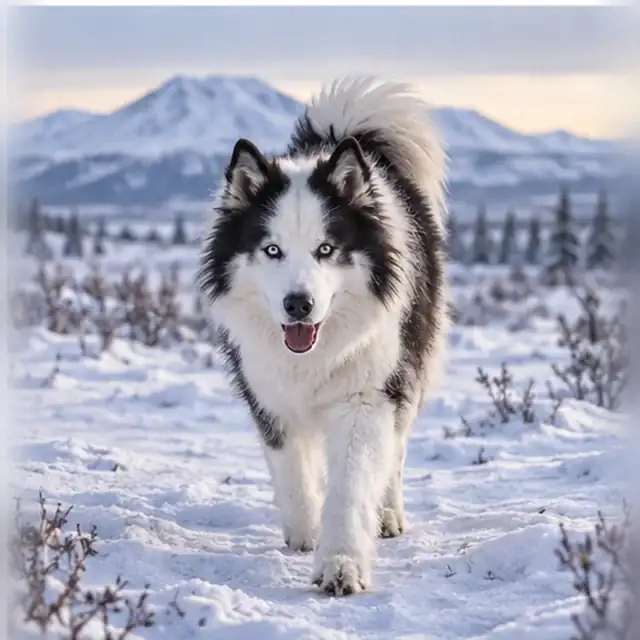
Suitable for active owners who have space and experience working with northern breeds. Not suitable for living in a cramped apartment. Likes to work in small groups, can withstand harsh northern conditions.
Very high. Can work from dawn to dusk. Requires running, sledding and mental tasks.
Independent, therefore experience and consistency are required. Early socialization is a must. Hunting and herding instincts need direction. Suitable for equestrian sports.
The thick double coat is combed weekly, during shedding every day. They bathe as needed. Ears, teeth and claws are examined regularly.
Gentle with people, if well socialized from an early age. Children and the dog are under the supervision of an adult, especially during active games.
The hunting instinct is strong. She is aggressive towards predators, and perceives small animals as prey. Walking without a leash is dangerous.
Estimates help compare breeds. For zooaggression, 5/5 means less tendency to aggression towards dogs. The behavior and health of a particular dog depend on many factors.
Gentle with people, but independent in work.
Smart, but needs experience and consistency.
Strong hunting instinct, small animals are perceived as prey.
There is no comparable survival estimate for the breed in the British cohort used. Among the described breed risks: dysplasia of the hip joints, dysplasia of the elbow joints, bloat or twisting of the stomach; examination of the parents is confirmed with the veterinarian.
Thick wool requires regular combing, and in shedding - daily.
Dysplasia of the hip joints: the results of examinations of both parents are requested. The puppy is not forced to make sharp jumps and long runs while the bones are growing. Stiffness after rest is not attributed to age without an examination.
Dysplasia of the elbow joints: the breeder is asked to confirm the examinations of both parents. Excess weight increases the load on the joints, so the puppy should not be overfed. Lameness is shown to the veterinarian.
Bloating or stomach upset: feed several times a day in small portions, do not load the dog immediately after eating. An enlarged stomach and futile urges to vomit require urgent veterinary care.


